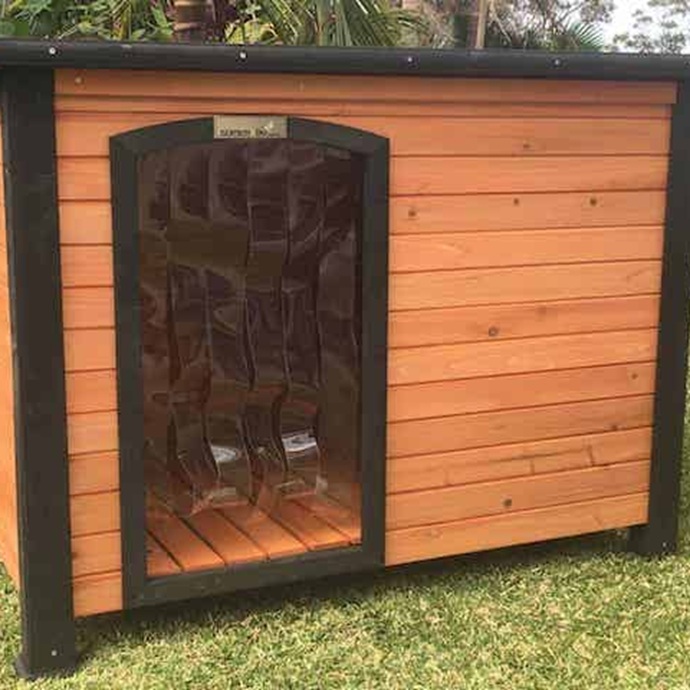
Have you ever wondered if your rabbit’s hutch is truly giving them what they need? Many owners face the challenge of creating a home that supports their bunny’s health and happiness. Rabbits rely entirely on the environment you provide, and the wrong setup can lead to stress or even health problems. Understanding the different types of hutches and cages is the first step toward choosing the right one for your rabbit’s needs.
Why Are Rabbit Hutches Important?
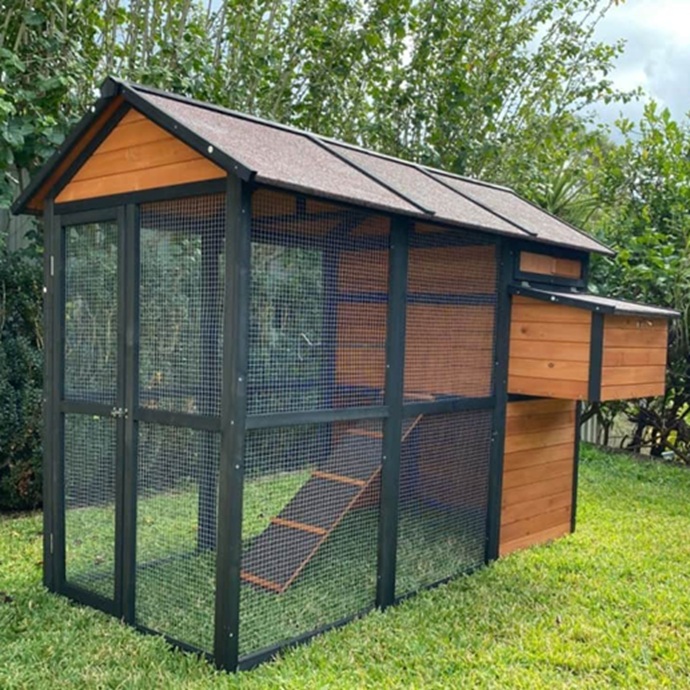
If you have a rabbit as a pet, you know that their accommodation is its entire universe. Unlike us, rabbits can’t head to the gym, cinema, or shops. Their world, as they know it, will be the space you provide with all of the things you set up for them.
Main Benefits of Good Housing
Proper hutches for bunnies’ support:
- Physical health through exercise and agility.
- Mental stimulation with toys, puzzles, and interaction.
- Socialisation occurs when the rabbit is safely introduced to companions.
Room to Move
Rabbits are built to hop and graze across fields. Choosing spacious rabbits hutches and preparing them thoughtfully is important for the rabbit’s physical health, mental stimulation, and overall well-being. Without enough space, they risk serious health issues:
- Osteoporosis: This disease makes their bones fragile and prone to breaks.
- Obesity: Storing energy leads to obesity, which can cause sore hocks, grooming difficulties, and flystrike.
- Muscle wastage: Especially common in the hind legs, muscle loss often impairs mobility.
- Heart problems: The lack of cardio and other physical activities can make rabbits prone to heart problems.
Room to Behave Like a Rabbit
Beyond exercise, space allows rabbits to express their natural behaviours. Without it, rabbits may develop repetitive behaviours like over-grooming or bar chewing. You may even notice destructive behaviours, such as tearing wallpaper or chewing enclosures. Apathy is also another issue with small spaces, and your rabbit may show little to no interest in their surroundings.
A rabbit hutch is the foundation of its happiness. By creating space to move, play, and connect, you ensure your rabbit thrives both in body and spirit.
Creating a Comfortable Home
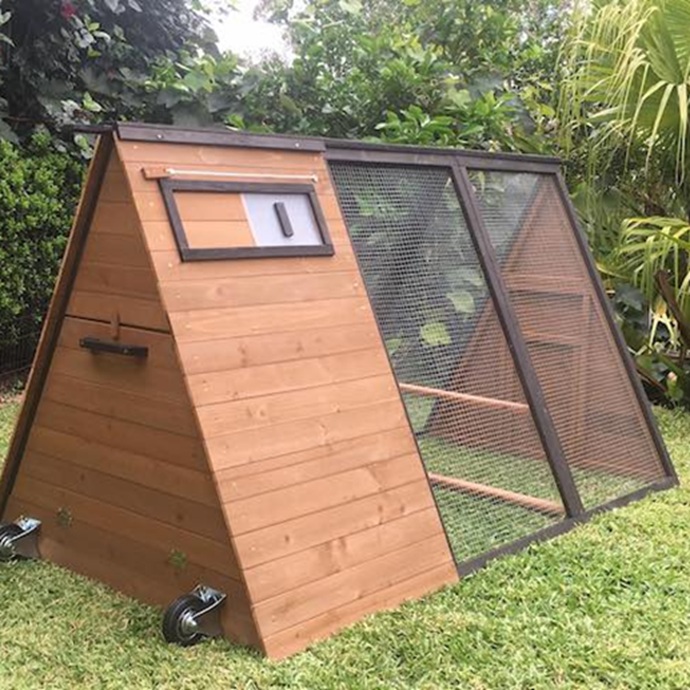
Giving your rabbit proper housing means more than just setting up the bunny house itself. It’s about creating a safe, cosy environment that’s also stimulating, so your rabbit can feel secure and happy.
Safety and Security
If you are raising your rabbits in hutches, opt for solid wood or durable plastic wire, as it can be harsh on their tiny feet. Also, make sure the enclosure is sturdy and secure, so they can’t escape, and predators can’t get in.
Weather protection is just as important. Your hutch should shield against rain, wind, sun, and extreme temperatures. And as for size, the space should be at least four times your rabbit’s body length, giving them enough room to hop, stretch, and stand tall.
Bedding for Comfort
Comfortable bedding keeps your rabbit clean and content. The best option is hay, especially the ones that double as food and bedding. You can add paper-based bedding if you’re looking for something with more absorption, but avoid cedar or pine shavings, their oils can be harmful.
Food and Water
Your bunny needs fresh food and water within reach every day. You can invest in a hay rack that keeps hay clean and a water bottle or bowl for hydration. Use a heavy ceramic food bowl for pellets to prevent tipping.
Toys and Entertainment
Rabbits are curious creatures. They love playtime, so enrichment is essential. Throw some chew toys like willow balls or cardboard in the hutch to satisfy their natural chewing instincts.
Also consider adding tunnels and hiding places for exploration and hiding purposes, and a digging box filled with hay or shredded paper. Ramps and platforms add vertical space, encouraging exercise and fun.
Keeping It Clean
Cleanliness is the only way to keep your bunny’s environment healthy. Regularly scoop litter, sweep up hay, and use pet-safe disinfectant to keep the space fresh. This is the first step for disease prevention and ensures your rabbit’s little home stays comfortable.
By focusing on safety, comfort, nourishment, and enrichment, you’ll create rabbits hutches that truly support your pets’ well-being. A thoughtful setup also makes your bond stronger, giving them a happy home where they can flourish.
Types of Hutches and Cages
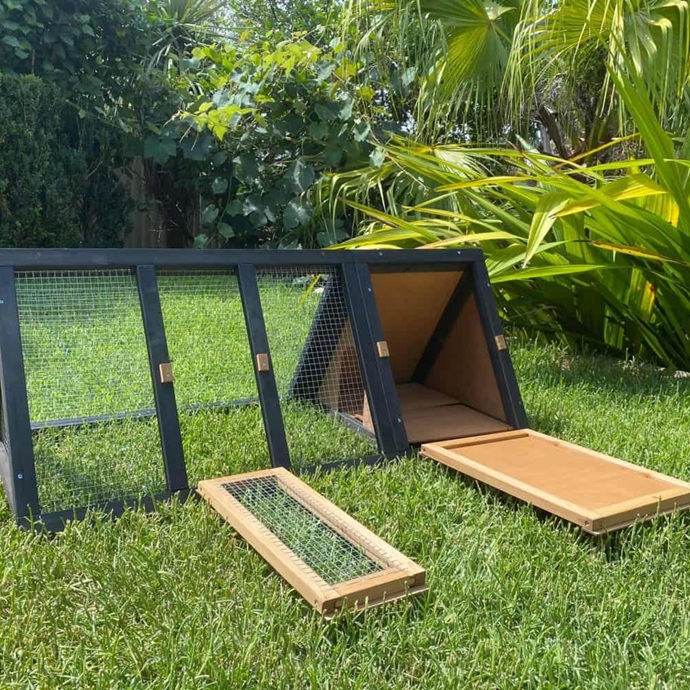
Once you get to know your pet bunny, you’ll have a better idea of what they need in terms of housing and what works within your own abilities. There are different types. Each one offers different benefits.
Wire Cages
Wire cages are typically the go-to option used by breeders and farmers because they are sturdy and easy to clean. However, the hard floors can cause sore hocks, so if you choose a wire cage, pair it with soft bedding. While practical, they don’t always provide the comfort and enrichment pet rabbits need. It’s best to skip them if you’re planning on keeping your rabbit for longer.
Indoor Hutches
Indoor rabbit hutches provide a cosy, secure space for your bunny within your home. They come in many styles, and some are even designed to look like furniture, so they blend with your living space. These hutches promote well-being and are ideal for families who want their rabbits close by.
Outdoor Hutches
Outdoor hutches for rabbits allow your little pet to enjoy fresh air while staying safe. However, they must be predator-proof and weather-resistant. Just make sure you are informed on your rabbit’s breed, as rabbits with thick coats, like Angoras, can overheat in hot regions, so indoor housing may be better in warmer climates.
Whether you choose a hutch or a cage, the goal is always to give them a safe, spacious, and comfortable environment. By matching the right housing to your rabbit’s needs, you’ll create a happy home where they can thrive.
The home you prepare for your rabbit is the heart of their world. The rabbit’s hutches give them space to move, play, and rest, while also keeping them safe from harm. When you choose housing that matches your rabbit’s needs and your lifestyle, you’re giving your bunny a space where it feels secure, curious, and full of life.