Keeping the doors at home fully functional is one of the essential domestic tasks. While exterior doors provide security and protection, interior doors make it easier for you to retain some privacy in certain parts of your household. They’ve become such an integral part of our lives that we oftentimes underestimate their contribution but it’s time that sees the light of day.
Like most other people, you’re probably opening and closing quite a few doors during the day. Needless to say, their operation relies heavily on the small hinges that keep them in place. Whether you want to install new doors or upgrade your old ones, deciding to buy hinges to reinforce your doors is an important part of the process.
What Kinds of Door Hinges Are There?
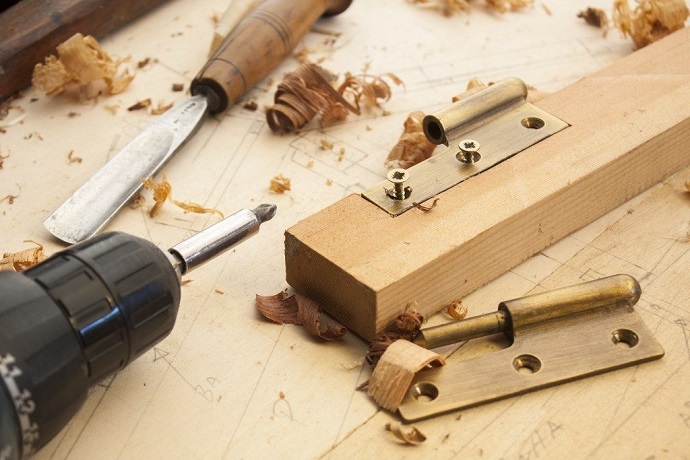
Figuring out the exact model you need is the first thing you should figure out. You’ve got quite a few options at your disposal, each one with specific characteristics and uses.
Ball Bearing Hinges
These are installed flush in a cutout between the door and frame. Due to their sturdy build, they’re ideal for wide and heavy exterior doors. Their permanent lubrication makes opening and closing these doors much smoother and quieter. Despite being a particularly common sight in commercial residences, ball bearing hinges can be used for domestic purposes as well.
Butt Hinges
These contain two leaves that are joined together by a removable pin. Once the door is closed, the leaves ‘butt’ against each other for a minimalist look. They’re usually part of lightweight doors, both interior and exterior models.
Spring Hinges
Doors that use spring hinges are quite convenient because they’re specifically designed to pull them back to a closed position right after you open them. For most models, spring tension can be adjusted to suit your needs and preferences.
The best part about these hinges is that they spring into action both ways – the door is automatically closed regardless of whether you open it in or out. You’ve probably seen doors like this serving as a kitchen or dining room entrance, particularly in restaurants and bars. They can also be used as garage doors to prevent those toxic fumes from entering your house.
Continuous/Piano Hinges
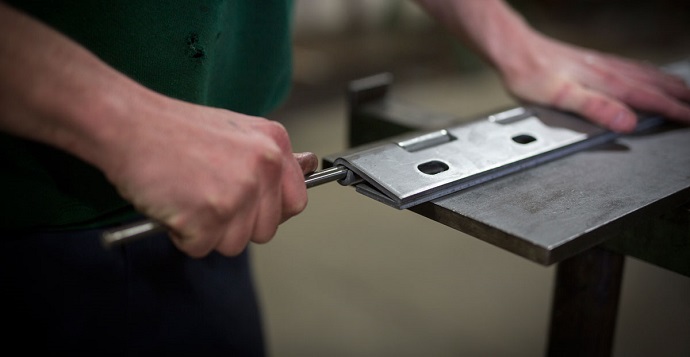
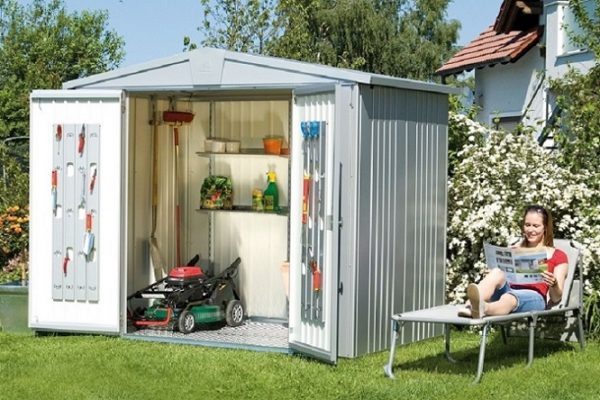
You’ll find these hinges running across the full-length of the door, providing extra support and easing tension. Their durable build is what makes them suitable for use in shed or barn doors as well as fire escapes and a multitude of other metal enclosures.
Concealed Hinges
Based on the name, these are installed flush inside the door which means you won’t even see them when the door is closed. They’re normally used for cabinet doors, but they can also be found in light interior and exterior doorways.
Swinging Hinges
Sometimes referred to as butler hinges, they allow the door to open either way with a swinging motion, hence the name. Unlike spring hinges, these don’t exactly close the door shut after you open it. Instead, the door moves back and forth for a short while before coming to a standstill. They’re pretty quiet and offer trouble-free removal if necessary.
How Do You Know Which Hinges to Buy?
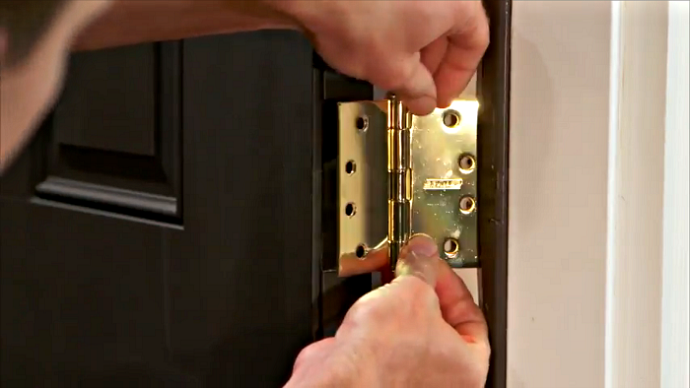
Apart from the type, you should consider a few other aspects that will help you buy hinges that will live up to your expectations.
Hinge Size
When determining the size of your hinges, you first measure from top to bottom, followed by side to side. Most hinges are about nine centimetres for internal doors and ten centimetres for external ones. A general rule of thumb is that the size of the hinges is largely determined by the door’s width and thickness.
As you’re measuring, take note of the edges of your hinges. Are they round or square? If you want to make installation easier, make sure you choose the same corner style that’s present on the existing door hinges. For a more precise measurement, take your old hinges to the store with you and look for a suitable match.
Materials
In general terms, hinges are made of a wide range of materials, including stainless steel, copper, brass, bronze and cast iron. The location of the door in question plays a huge role when choosing the materials. For instance, stainless steel is always a good choice for exterior use due to its corrosion-resistant properties. Iron and bronze are also thought to be quite tough and durable but they’re also more expensive. If you aren’t exactly looking to break the bank here, you should go with a more budget-friendly option.
Design and Finish
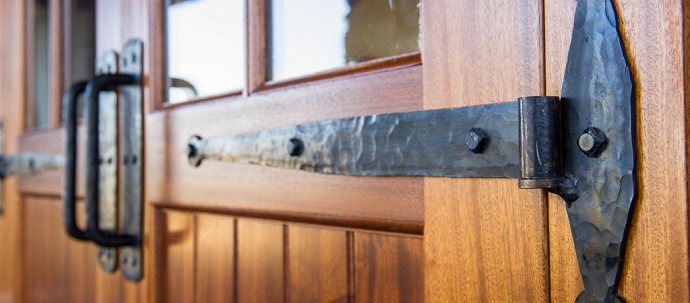
Despite the fact that functionality always takes precedence in this case, the design style is also important. You’ll find hinges in various finishes such as polished and antique brass, oil-rubbed bronze, brushed nickel and so many more. Make sure you match the finish to the colour of your door for a more cohesive and aesthetically pleasing appearance.
Additionally, they come in all sorts of shapes and sizes, paired with intricately detailed ornaments and embellished exteriors that are bound to leave a lasting impression on anyone who lays eyes on them. However, keep in mind that the more ornate the design, the larger the price tag.