In the world of warehouses and manufacturing, efficiency and adaptability are everything. Every day, countless heavy loads, tools, and equipment must be moved quickly, safely, and with minimal effort. While forklifts and pallet jacks get much of the attention, one hero keeps the modern industrial landscape rolling: the castor wheel. These small but mighty devices are the foundation of mobility in industrial settings, making it possible for workers to shift, transport, and reconfigure equipment and goods with ease. Without them, productivity would grind to a halt, and workplace safety would be compromised.
What Are Castor Wheels?

In short, they’re specialised swivelling wheels designed to support and move heavy loads in industrial environments. Unlike fixed options, castor wheels can rotate a full 360 degrees, offering exceptional mobility even in tight spaces. This makes them ideal for use on trolleys, mobile racks, machinery, and workstations that need to be repositioned frequently.
Industrial castor wheels are built tough, using high-quality materials and precision engineering to withstand the rigours of constant use. Whether you’re moving a lightweight cart or a multi-tonne piece of equipment, there’s a castor wheel designed to handle the job.
How Castor Wheels Transform Industrial Workspaces
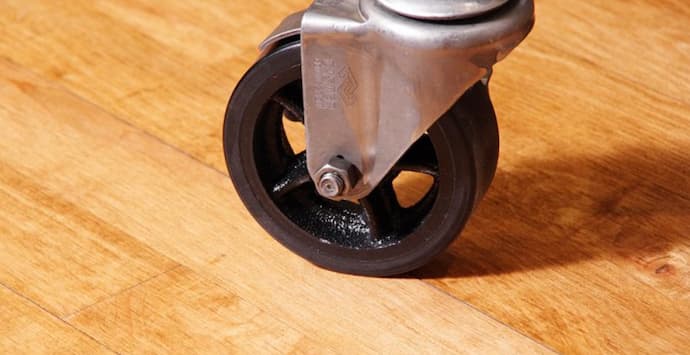
By reducing friction and distributing weight evenly, they enable workers to move heavy loads safely and efficiently. This not only minimises the risk of workplace injuries but also boosts productivity by cutting down on manual handling time. In environments where time is money, being able to quickly shift a loaded trolley or reconfigure a production line can make a significant difference to the bottom line.
They also contribute to a safer workplace by reducing the need for lifting and carrying, which are common causes of strains and injuries in industrial settings. That’s why selecting the right set of castor wheels can truly simplify everyday tasks in an industrial environment. The right choice will ensure that your equipment moves smoothly, safely, and efficiently, day in and day out.
Choosing the Right Castor Wheels for Your Operation

Several factors come into play when making this decision:
Load Capacity: Always determine the maximum weight each wheel will need to support. Overloading can lead to premature wear or even catastrophic failure, so it’s essential to choose options rated for the heaviest loads you expect to move.
Wheel Material: The choice of material can affect performance and durability. Nylon models offer excellent chemical resistance and are suitable for harsh environments. Polyurethane versions are quiet and gentle on floors, making them ideal for sensitive surfaces. Rubber varieties provide shock absorption and grip, while steel wheels are unmatched in terms of strength and longevity.
Floor Surface: Matching the wheel material to your flooring is vital. Hard options like nylon or steel work best on smooth, hard surfaces, while softer alternatives like rubber or polyurethane are better for uneven or delicate floors, as they absorb shocks and prevent damage.
Swivel vs. Fixed: Swivel castors provide greater portability, allowing equipment to be moved in any direction. Fixed castors, on the other hand, offer stability and are ideal for straight-line movement. Many industrial applications use a combination of both for optimal control.
Common Uses in Industry and Manufacturing
They’re fitted to warehouse trolleys, mobile shelving, heavy machinery, and production line equipment. In manufacturing, castor wheels enable the easy movement of workstations and materials, allowing for flexible layouts and rapid reconfiguration as production needs change. For example, a mobile workbench fitted with heavy-duty castor models can be rolled wherever it’s needed most, increasing efficiency and reducing downtime.
Even in furniture manufacturing, now, large items and finished products can be transported across the factory floor with minimal effort, thanks to robust castor wheels designed for industrial loads. In assembly lines, they make it possible to move components and tools quickly, ensuring that production keeps moving smoothly. Medical and laboratory equipment, too, often relies on these parts for mobility, allowing for easy cleaning and reorganisation of workspaces.
Care and Maintenance Tips for Longevity
To get the most out of your castor wheels, regular maintenance is key. Here are some practical tips:
Routine Cleaning: Industrial environments can be tough on equipment. Dust, dirt, and debris can accumulate around the wheels and axles, causing wear and reducing performance. Regular cleaning will keep them rolling smoothly.
Lubrication: Apply appropriate lubricants to swivel bearings and axles to ensure smooth rotation and reduce friction. This is especially important in high-use areas where wheels are constantly in motion.
Inspection: Check for signs of wear, such as flat spots, cracks, or loose fittings. Promptly replace damaged models to avoid accidents and maintain efficiency.
Tightening: Periodically tighten bolts and fittings to maintain stability and safety. Loose hardware can lead to wobbling or even detachment, posing a risk to both equipment and personnel.
Troubleshooting: Solving Common Castor Wheel Issues
Even the best castor wheels can encounter problems over time. Here’s how to address a few frequent issues:
Squeaking or Stiffness: Usually caused by a lack of lubrication or debris. Clean and lubricate as needed to restore smooth operation.
Wobbling: Check for loose fittings or worn bearings and tighten or replace components as necessary. Wobbling can lead to instability and should be addressed promptly.
Difficulty Rolling: Inspect for obstructions or wheel damage, and ensure the wheel material matches the floor type. Replacing worn or damaged wheels will restore proper function.
Keeping Industrial Operations in Motion
Castor wheels might not be the most glamorous part of your warehouse or manufacturing plant, but their importance is undeniable. Choosing the right type, maintaining them properly, and understanding their role in industrial mobility can make a world of difference in efficiency and safety. Whether you’re outfitting new equipment or upgrading your current setup, investing in quality models is a decision that pays off every day on the warehouse floor.