Achieving your fitness goals is more than just aggressive training; it also requires giving your body the right fuel to get there. Hours in the gym or on the field will only take you so far if your nutrition is lacking. Food is the primary source of everything your body needs, but sometimes it’s not enough, and that’s when supplements come in handy. They help you recover faster and push a little bit harder. Whether you’re preparing for your first marathon, chasing personal bests in the weight room, or simply trying to feel stronger and healthier, understanding the role of supplements can make a big difference in your results.
Types of Supplements
Sports supplements come in many forms, each serving a unique purpose, and you can get them from reliable supplement stores. One of the most popular is protein powder, which provides a convenient way to support muscle repair and growth after training. While whole foods like chicken, fish, and legumes should always remain the primary source of protein, shakes and powders can then supplement the gaps once things get busy. Whey protein is the most favoured, but pea or soy protein is a great alternative for those with dietary restrictions.
Creatine is another widely used supplement for power and strength in sports. It replenishes energy stores in the muscles, allowing you to perform more reps or run harder before you hit the wall. There are decades of science behind its use, and today it is one of the most reputable products available.
Pre-workout supplements have also gained popularity, often containing ingredients like caffeine and beta-alanine to boost energy and focus. They can be consumed to provide that added oomph during hard sessions.
Recovery supplements, such as branched-chain amino acids (BCAAs) and glutamine, help reduce muscle soreness and support faster recovery. Electrolyte tablets and rehydration tablets are particularly effective in hot climates like Australia, where hydration is just as imperative as optimal fuelling.
Finally, omega-3 supplements and multivitamins can help fill nutritional gaps, supporting performance goals and overall health. The key is to choose supplements that best fit your individual requirements and not necessarily every new trend that surfaces.
Benefits of Supplements
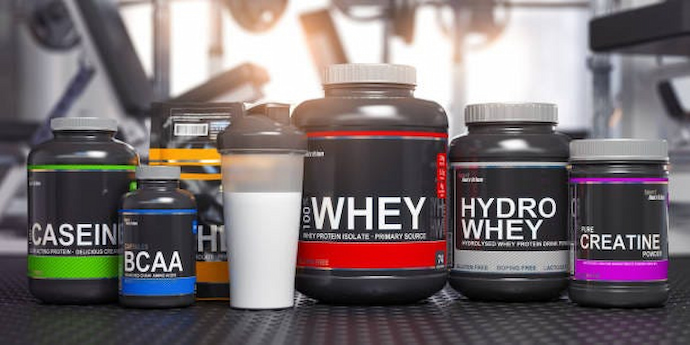
The main appeal of sporting supplements is efficiency and ease. Busy lives generally render it impossible to consume a balanced meal every time. Having a protein shake following training or taking electrolytes while going out for a long jog might be far easier than carrying a full meal around.
Supplements can also have a direct impact on performance. For example, creatine may boost strength, while caffeine can reduce fatigue and improve focus. Such responses might only show a small improvement at the moment, but over time, they add up to significant improvements.
Recovery is also a major benefit. Between intense training sessions, your body needs to repair and rebuild muscle. Supplements like protein and BCAAs help it do so, enabling you to resume training faster and less painfully. For endurance athletes, replacing lost electrolytes helps prevent cramping and keeps the body performing smoothly, even after hours of exercise.
Beyond the physical, supplements can provide psychological benefits. Knowing you’ve taken steps to fuel your body correctly can increase confidence in your training. This mental edge shouldn’t be underestimated, as mindset often makes the difference between giving up and pushing through.
How to Choose
With the wide range of products on the shelves of supplement shops, it can be overwhelming to figure out which ones are actually worth it. The first step is to identify your goals. If you’re focused on building muscle, protein and creatine are likely your priorities. For endurance training, electrolytes and recovery aids might be more useful.
Then, think about quality. Not all supplements are of equal quality, and some may contain fillers or ingredients that are unnecessary or less effective. Look for products that are third-party tested or have purity and safety certifications. In Australia, reputable brands typically comply with Australian standards, providing an extra layer of reassurance.
It’s also good to keep in mind supplements are, well, supplementary. They’re intended to be added to a healthy diet, not a substitute. Foods contain critical fibre, vitamins, and minerals that can’t be duplicated with powders and pills. Before taking the plunge on supplements, make sure your training program and diet are already on track.
You should also consider your personal tolerance. Caffeine-heavy pre-workouts, for example, may give one person energy but make another nervous and keep them awake at night. Start with small doses to see how your body responds before buying in bulk.
Sports supplements are no magic, but they can be effective when it comes to helping you reach your performance goals. From protein powders that aid in muscle recovery to electrolytes that make sure you’re properly hydrated in the Australian climate, these are products designed to fill gaps when food and training can’t. The trick is to know your own needs, choose from quality supplement stores, and remember that supplements work best in addition to, not as a replacement for, a nutritionally complete diet and smart training program.