Trail running is a great way to explore the outdoors. However, it also comes with its challenges. Running outdoors in the wilderness means facing a rougher terrain, unpredictable weather, and longer stretches without access to help or supplies. That’s why you should always be well-prepared with the essentials at hand. Here’s your guide to the must-have gear when trail running.
Comfortable Shoes
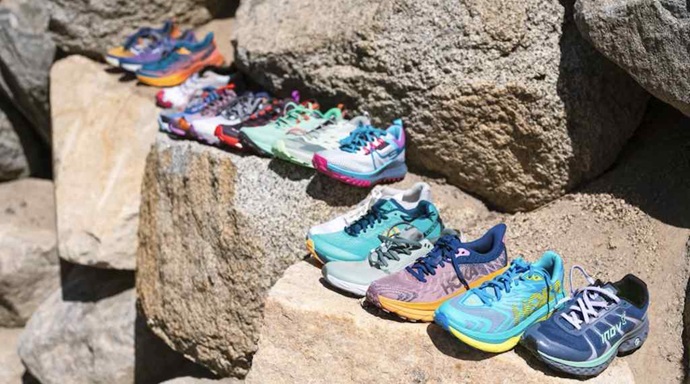
Not every running shoe is made for trail running. There are specifically designed ones that provide comfort, proper cushioning, and stability when running on that rugged terrain. They’re generally divided into three categories: light, rugged and off-trail.
Light
This type of shoe has the most similar design to the regular running shoes. It’s great if you like running on gravel paths and rolling hills because of how lightweight they are. They don’t offer a lot of protection against roots and rocks, but you can keep a brisk pace with them. Having a pair of these lightweight and comfortable trail shoes means you get a stable placement of the foot.
Rugged
If you’re running on more rugged terrains, these are the right shoes for you. They have toe guards, so you get some protection against stones, thorns and roots. Rugger running shoes are great for hard landings and steep descents. The lug patterns have good stopping power and are wide so soft soil and mud don’t get stuck between them.
Off-Trail
Off-trail shoes are the toughest shoes for trail running. The aggressive outsoles and reinforced structure make them suitable for any terrain and weather conditions. These shoes are always made of strong, durable and often waterproof materials.
All of these shoes can have different types of cushioning. Barefoot means no padding at all, which is not always the smartest choice, especially if you’re running on rough terrain. Next is minimal cushioning, which is good for lighter terrain. There’s also moderate cushioning. It means comfortable padding that can stand up to roots and hard soil.
Last but not least, you can choose shoes with maximum cushioning. They have a lot of padding in the midsole and are great for rougher terrains. Another important thing is the heel-to-toe drop. Take a look at the shoes you have and don’t make a drastic change from their drop. Take it slow with the change because it can mess up your body’s biomechanics.
Suitable Jacket
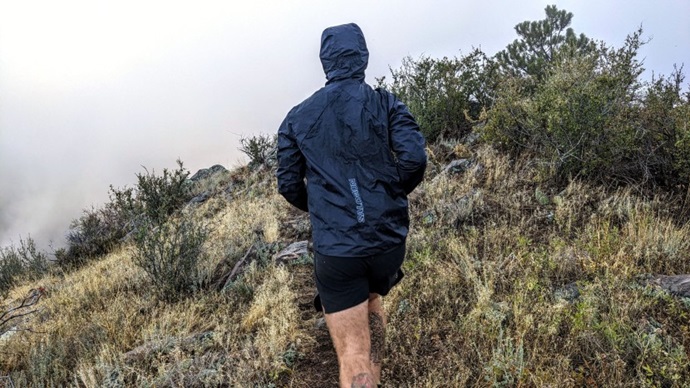
If you know what you’re looking for, finding the perfect running jacket won’t be an issue. To make the right choice, you should follow some guidelines, and they’ll lead you to the best choice. Just because it’s cold outside doesn’t mean you shouldn’t go out and have a run. Buy a jacket and enjoy your trail running every day, no matter the weather.
Finding the perfect fit is crucial. You need to feel comfortable while wearing the jacket; it shouldn’t restrict your movements, and you need to be able to bend, turn, and stretch without feeling restrained. Breathability is another important consideration. The jacket should be breathable. Otherwise, you’ll feel sweaty, clammy, and cold, which can be very uncomfortable.
Next, consider the weather conditions you’re running in and for how long you’re doing it. If you’re doing it in an urban area and for short distances, you’ll need something wind-resistant and lightweight. But if you’re doing long, off-road runs, you need something that’s waterproof and windproof.
Taped seams and adjustable cuffs will keep the warmth in and the rain out, and a peaked hood that won’t be blown away are some of the key features to look for. Look for a jacket that has multiple pockets so you can carry the essentials such as a phone or wallet. There are also jackets with media-friendly pockets if you like listening to music. And finally, look for a jacket with reflective colours and details if you’re running later in the day.
Hydration Pack
Besides having the proper trail shoes and a protective jacket, you’ll need some fuel sources to keep you going. The most basic one is water. Having a hydration pack on you is a must. These packs come in many shapes and sizes and can have different features. Think about how much water and supplies you’ll need.
If you’re going on a rougher terrain with lots of uphill, you’ll need more water, if you’re going on a long run, you’ll probably need some snacks and food to keep you going. Hydration vests are good for runners. They’re made of durable materials so there’s no damage when you scrape or hit them while you run.
Make sure the vest fits you well and doesn’t jump up and down. If it does, it can be very distracting and annoying and will interfere with your running pace. It doesn’t matter what type of hydration pack you carry as long as you carry one. It can be a bottle of water if you don’t mind carrying it in your hand. Always bring water.
Practical Headlamp
A headlamp can be a great accessory if you like running later in the day. It’s important to invest in a high-quality, good-performing headlamp that will last for a long time and work perfectly. Make sure it sits comfortably on your head, nothing too tight or too loose. Think about getting a rechargeable one with LED lights because it has a better light output and a longer lifespan.
Just like your trail running shoes, the headlamp should be made of strong and durable materials. There’s a big chance you’ll drop it a few times on rocks and rough terrain, and it should be able to withstand those hits. When it comes to beam width and distance, you have plenty of options. Choose according to your personal preferences and needs, and enjoy your trail runs no matter the time.
Food
Bringing food and snacks on your trail run is a smart idea. They can give you the right number of calories and nutrition to keep you going. Even professional athletes understand the importance of good nutrition during a long run. There are plenty of healthy and nutritious foods to snack on while you’re running. Some of the options are squeeze packets, fruits and veggies, protein bars, rice cakes, dried fruit and mixed nuts, oatcakes, waffles, and more.
In Summary
Choose your equipment wisely. Go for high-quality, durable clothing that will be comfortable and lightweight. Trail running is not a joke and you should do everything you need to feel safe and stay protected no matter the weather conditions or type of trail.