Are you looking for gym shoes that can provide serious support for serious workouts? Let’s be real – the ultimate pair of gym trainers can make or break your gym session. Whether you are crushing it on the treadmill or acing your deadlift, your feet require shoes that can keep up with your fitness goals. The best gym shoes for women trainers don’t just count reps – they become your best workout companion.
Why Gym Trainers Are More Important Than You Think
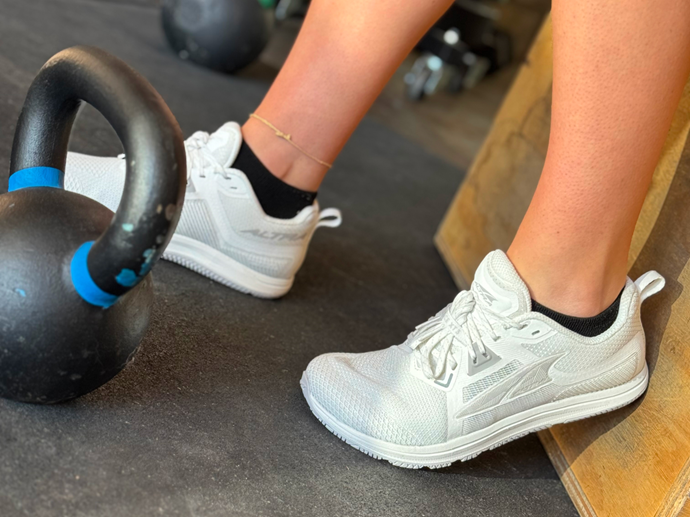
Your gym trainers are not just fashionable shoes – they are the foundation of all the movements you will be performing. Think about it: your feet hit the ground first in almost every exercise, and are responsible for absorbing shock, providing you with stability, and helping you maintain good form. The wrong trainers can lead to all kinds of issues, ranging from blisters and discomfort to more serious conditions like shin splints, plantar fasciitis, or even hip and knee complications.
Wearing proper, quality women’s gym trainers is like having your own support team, dissipating high-impact movements, providing grip when you need it most, and giving your feet the room they need to breathe through these intense sessions. They’re designed specifically to fit multi-directional movements in the gym – unlike running shoes designed for forward motion, or casual sneakers that prioritise fashion over function.
What to Look For in Gym Trainers for Women?
When you’re shopping for women’s gym shoes, you should be aware of certain qualities that separate the game-changers from the bench-warmers. First up is cushioning, but not just any cushioning – you want responsive foam that bounces back with each step and still has enough shock absorption for high-impact sessions like plyometrics or dance fitness classes.
Stability is another huge factor, especially if you’re weightlifting or performing functional training. Look for a wider base and stable heel counter that’ll keep your foot locked in when you’re performing lateral movements and heavy lifts. You don’t want your foot rolling around in your shoe when you’re trying to get into that ideal squat position.
Breathability might not be on the top of your list until you’re halfway into a sweat-drenched HIIT session. Mesh panels, moisture-wicking materials and strategically located ventilation zones can make all the difference between dry feet and a damp mess.
Forefoot flexibility is valuable for exercises that keep you on your toes – literally. If you’re doing mountain climbers, performing burpees, or dance cardio, you need a shoe that is going to naturally flex with the motion of your foot.
Different Workouts, Different Needs
Here’s where it gets good – not all gym sneakers for women are created equal, and your workout style should definitely come into play when you’re deciding. If you’re a cardio queen who survives on spin classes and treadmill sessions, you’ll want something with more forefoot cushioning and a snug but comfortable fit that won’t cause hot spots on longer sessions.
For strength training enthusiasts, stability trumps almost everything. Look for a flatter shoe with a lower heel-to-toe drop, which will offer a stable surface for lifting. Some women even wear cross-trainers with a slightly higher heel for better squat depth and ankle mobility.
If you’re all about variety – mixing up cardio, strength and classes – you need a true all-rounder. These all-around trainers combine cushioning and stability and usually have tough outsoles that can handle everything from rubber gym floors to outdoor boot camp sessions.
Finding Your Perfect Match
Purchasing women’s gym trainers is not simply a matter of picking the cutest pair (though let’s be real, it definitely helps with motivation). Start by taking a look at your fitness routine and what you need most from your shoes. Are you doing high-impact movements that require maximum cushioning? Or are you in the lifting phase where stability is paramount?
Timing is everything when you shop, too. Your feet do swell throughout the day, so shopping in the afternoon or evening will give you a truer fit for the conditions in which you’ll be exercising. Try shoes on both feet – most people have one foot a bit larger than the other.
Don’t forget your own idiosyncrasies. Do you have wide feet, high arches, or specific pressure points? Most brands now offer different widths and special features for specific types of feet. It’s worth investing in shoes that cater to your specific needs rather than trying to force your feet into the “standard” shape.
The break-in period is real, even with the best-fitting trainers. Give new shoes a few shorter sessions before you go out and do that two-hour workout marathon. Your feet will adjust to the new cushioning and support patterns, and you’ll get a better sense of how they perform across different activities.
The Bottom Line
Quality gym trainers are an investment in your body and your long-term overall foot health. They should feel like an extension of your body – supportive where you need stability, springy when you need response and comfortable so you don’t even notice you have them on. Buy the correct pair and they’ll be your loyal workout companion through hundreds of sweat sessions and fitness milestones.