If you’ve ever watched your small dog struggle to see out the car window or noticed them sliding around on the seat every time you make a turn, you’ve probably wondered if there’s a better way to keep them comfortable and safe during car rides. There is! Booster seats for dogs are a game-changing accessory that’s becoming increasingly popular among pet parents who want to make car travel more enjoyable for their furry companions.
Why Your Dog Needs a Booster Seat
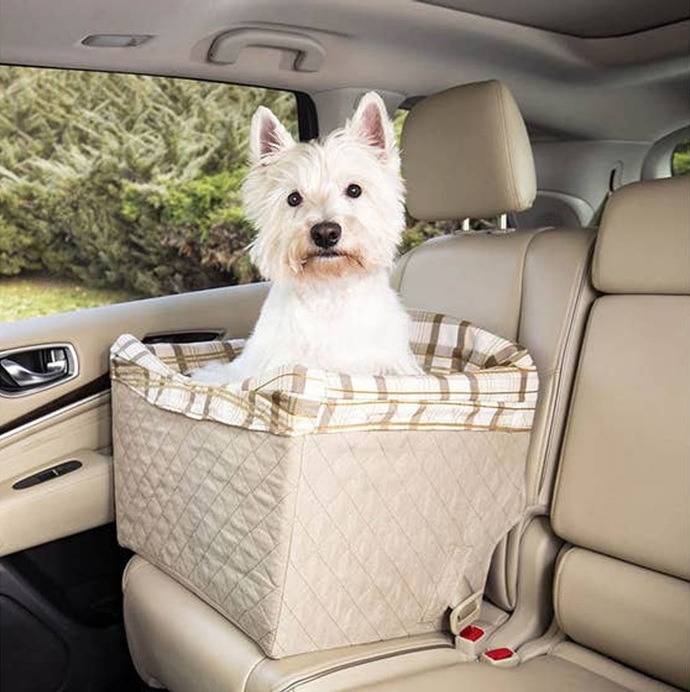
Vehicles aren’t exactly designed with little dogs in mind. While your Great Dane might have no issue peering over the dashboard, your Chihuahua or Yorkie is effectively riding blind down in the regular seat. That is where a reliable car booster seat for dog comes in to save the day.
Their primary function is to lift your pet so that they can see what is happening outside. And it’s not just about entertainment – it helps reduce stress. Dogs who can see what is going on around them are less anxious while riding in the car.
Safety is also an enormous plus. The car booster seat keeps your furry passenger in place and stops them from moving in the car and potentially distracting you at the wheel. Some even include built-in safety harnesses that work with your dog’s existing harness, adding an extra level of security in case of sudden braking or collisions.
Comfort is the third big advantage. Instead of sliding around on slippery leather seats or trying to balance on a smooth surface, your dog has their snug place that’s just the right size. Many booster seats have plush cushioning and raised sides that keep dogs in a secure and supported position.
What to Look For in a Dog Booster Seat?
Not all seats are created equal, so there are a few factors worth considering. Here’s what you should prioritise when shopping:
First of all, size does matter – a great deal. The seat must be big enough for your dog to sit and lie down comfortably, but not so large that they can move around too much. Most manufacturers provide weight limits and sizes, so take correct measurements of your pouch and compare carefully. A seat that’s too small will be uncomfortable, but one that’s too big defeats the purpose of keeping your pet securely buckled up.
You should also look for a sturdy build and a solid base. Low-quality seats may tip over or shift, which will disturb your dog and potentially cause safety problems. The best seats have a firm, stable platform that will not slide around during regular driving.
The attachment system is relevant too. A quality car booster seat for dog should secure to your car seat with adjustable straps or seatbelts. Some models have multiple points of attachment for added stability. Avoid ones that only loosely fit over your car seat – they’re unsafe and won’t remain in place.
Consider prioritising padding features as they make long drives more comfortable. Also, make sure to get seats with removable covers that can be washed, because let’s be real, accidents do happen, and dogs can get dirty. Waterproof or water-resistant material is worth the added cost.
If safety is your top concern, look for seats with integrated tethering systems. These allow you to secure your dog’s harness directly onto the seat so they can’t jump out or be thrown around in case you have to brake suddenly.
Using Your Dog Booster Seat Properly
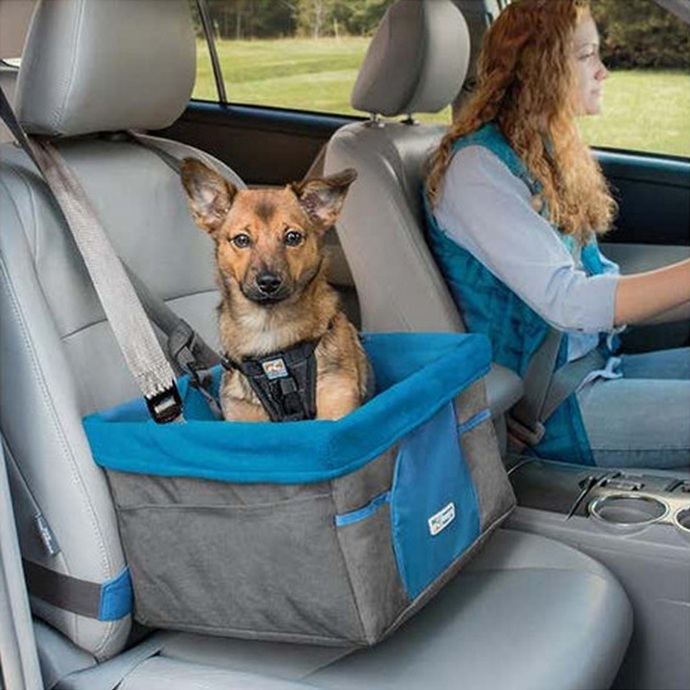
Getting the most out of a safety car seat for dogs starts with proper installation. Follow the instructions and secure all straps and attachments before placing your dog into the seat. The seat must be immovable when you try to push it around.
Slowly introduce your dog to the new accessory. Let them smell it and become comfortable with it when the car is not moving. Put in some treats or a favourite toy so they associate it with something positive. Some dogs adapt to a booster seat quickly, while others may take time to adjust.
Start with short trips around the block and slowly work up to longer drives. This gets your dog used to being in the raised position and lets you ensure everything is working as it should. Watch your dog for signs of stress – if they seem overly distressed or keep trying to get out, you might need to alter the setup or try a different method.
Always use the safety features. Attach the tether to your dog’s harness, never their collar, so as not to put pressure on their neck. Make sure that the tether is short enough to keep them in the seat but not so short that they can’t sit or lie down.
Mistakes to Avoid
One of the most frequent mistakes pet owners make is choosing the incorrect size seat. Don’t assume your dog will “grow into” a larger seat or that the smaller size will be cosy. The fit must be just right for safety and comfort.
Don’t skip the safety straps or leave them loose. Even the most laid-back dog can become overexcited or spooked and try to jump out of the seat. Those safety devices are there for a purpose.
Don’t place the booster seat in the front seat, especially if you have airbags. The back seat is far safer for animals, as it is for human passengers. If you must use the front seat, turn off the airbag.
With the right booster seat and proper use, car rides will be a whole lot easier on you and your dog. Your dog gets a better view, added safety, and a comfortable place of their own, and you get peace of mind that they’re safe and happy.