What Are Screening Plants?
As the name suggests, these plants have the purpose of providing you with a screen-like privacy. They are also known as privacy plants and hedges as well, because of their ability to grow high and form a line to create a barrier. This won’t only provide you with the needed privacy, but as a bonus, you’ll receive extra sound reduction and wind blocking, which in some areas can be quite helpful. There’s a variety of screening plants to choose from, ranging from evergreen and deciduous to some tall trees like cypress.
How to Choose the Right Screening Plants?
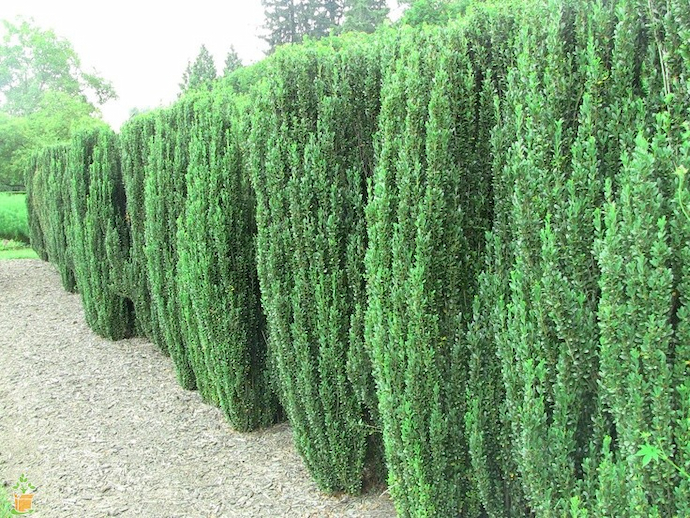
The first and most important thing you should take into account when choosing an appealing and protective screening plant is the height it can grow to. You should also consider the density you want to achieve from these hedge plants, as this also influences the amount of privacy and wind and sound blocking you’ll get.
Maintenance is another thing to think about. If you don’t have that much time for pruning and trimming frequently, make sure to choose low-maintenance plants of this kind.
If you’d like to enjoy their lush greenery as soon as possible, look for plants that can grow pretty fast. And if privacy is what you seek more from these screens, look for types that can provide you with a box-like appearance.
What Are the Australian Screening Plants?
Creating a privacy screen in Australia is possible with several types of plants and trees that can withstand the Australian climate. The choice is pretty impressive, so choosing a screening plant for your needs won’t be that difficult.
Lilly Pilly (Syzygium Smithii)
Lilly Pillies are one of the most popular and common choices for screening plants in Australia, because of their appearance and eye-catching flowers. They have high glossy green leaves, small berries and colourful flowers, which can only improve the look of your outdoor area.
An important thing that needs to be noted about them is that the new growth has a pink colour, and they need to be trimmed when fully bloomed or just after flowering. It’s said that they can grow pretty fast and can achieve a height of up to five metres, and they enjoy full sun, as well as mulched and well-drained soil. Even though they love full sun, they thrive better in cooler climates.
Laurustinus (Viburnum tinus)
Viburnum Tinus is a small-leafed evergreen that’s hardy and known for its large and shiny emerald leaves. This appealing plant also creates an ideal screen and can grow up to four metres in height. Aside from its leaves, this plant can also take pride in its small red berries and tiny pink buds that later will bloom into fragrant white flowers.
The Viburnum can thrive better in milder conditions, and in order to bloom and thrive, they need a spring prune, which is also needed for encouraging new shoots.
Kohuhu (Pittosporum Tenuifolium)
These trees certainly are a popular choice in Australia. They are small evergreen screening trees native to Australia, available in a selection of different types. Just like the Lilly Pilly, this one can also grow up to five metres in height and is known for its density, which can be used both as a formal and informal hedge. They are known for their black twigs and bark, and completely eye-catching, small, glossy green leaves.
In spring, these trees have small brownish flowers with hints of honey brown hue, making them extremely appealing. The Kohuhu trees have more of a columnar shape, but as they age, this form becomes more oval. They love full sun and well-drained soils, making them perfect for the Australian climate. They also need to be pruned and shaped regularly for improved thriving and appearance.
Photinia
Photinias are one of the most popular trees for backyards, known for their appealing red fruits and small white flowers that bloom in mid to late spring. They are part of the rose family and are quite favoured by many because of their ability to grow super-fast. Photinias are available in hybrids and are extremely easy to care for; they are known for their ability to tolerate a wide range of growing conditions.
This amazing plant loves to be exposed to the sun, but this doesn’t mean that it won’t grow in partly shaded places. An important thing to know before planting them is that they love air movement and require more space around them to avoid fungal infection, hence, they need minimal watering. Photinia is a durable and drought-resistant plant that can grow up to 6 metres.