Home maintenance is an ongoing task; something always needs fixing, whether it’s a small crack in the wall, a drafty window, or a leaky sink. It might feel like you need a toolbox packed with every gadget known to humankind. However, sometimes, all you need is one simple and versatile tool. Caulking is a humble but powerful method that plays a big role in home upkeep.
For tackling those small but important fixes around the house, easy-to-use caulk guns can be your best friend. They’re simple, affordable, and surprisingly effective. With just a little squeeze, you can seal up gaps and cracks that would otherwise let in water, air, or even pests. Whether you’re working on your bathroom, kitchen, or the windows that always seem to let in a draft, this material helps lock everything down tight. It keeps the moisture out and the heat in, and gives your home resilience against the elements.
Common Uses
A little sealing work can go a long way. You’d be surprised how many small fixes you can tackle with just a simple caulk gun and a steady hand. Here are some of the most common ways you can put this tool to work around the house:
- Sealing the tiny gaps between your skirting boards and the wall gives a cleaner, more polished look and helps keep out dust and drafts;
- Cracks in concrete or brickwork might seem harmless at first, but they can be a welcome mat for insects or even small rodents. Sealing them helps keep those unwelcome visitors out;
- Around baths, showers, and sinks, sealing edges properly helps prevent water from sneaking into spots it shouldn’t. That means fewer leaks, less chance of mould, and a longer life for your fixtures;
- Around windows and doors, a tight seal keeps out chilly breezes in winter and traps cool air inside during summer;
- Before you reach for the paintbrush, sealing up any cracks or small holes in your walls or ceiling makes a huge difference. It gives you a smoother surface to work with and a more professional-looking finish.
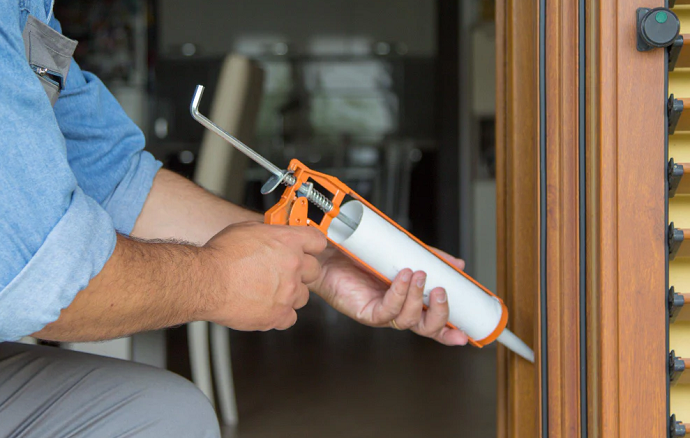
Different Types of Caulks
When it comes to using caulk guns, there’s no one-size-fits-all. Different jobs call for different types of caulks, and knowing what’s what can save you a lot of frustration. Here are a few of the most common types you’ll come across and what they’re best suited for:
- Acrylic latex: This is the go-to choice for general fixes around the house, especially when working with wood. It goes on easily, smooths out well, and you can paint over it once it’s dry. Just keep in mind it doesn’t love moisture or extreme temperature swings, so it’s better for indoor projects;
- Butyl rubber: This type holds up against heavy rain, wind, and fluctuating outdoor temperatures, which is why you’ll often see it used on roofs, gutters, vents, and pipes. It’s flexible and durable, making it ideal for anything that’s exposed to the weather;
- Polyurethane: Used a lot in construction, this one sticks like glue and offers a watertight finish. It’s super flexible too, so if you’re sealing areas that expand and contract a lot, this is a solid pick. Just be aware it doesn’t do well under constant sun exposure;
- Silicone: This one’s known for its flexibility and waterproof nature. It’s a favourite in bathrooms and kitchens, especially around sinks, tubs, and showers. It grips most surfaces (except wood) and holds up well to moisture. It has a stronger smell and can be a pain to clean up, but it lasts a long time once it’s in place;
- Wood caulk: Made specifically for timber, this one is great for patching up cracks and gaps in both indoor and outdoor wooden surfaces. It fills the gaps and helps to reinforce the structure a little, making sure your woodwork stays solid and secure.
Tips for a Professional Finish
Getting a clean, pro-looking seal isn’t as tricky as it seems. With the right technique and a good caulking gun, you can get great results without calling in a professional. Start by using masking tape on either side of the area you’re sealing. This helps keep lines sharp and neat. Leave a small gap, around 3 to 5 mm, for the product to fill.
When you’re ready to apply, hold the gun at a 45-degree angle and move steadily. Rushing or dragging can lead to uneven lines or too much sealant. When you combine the right type of product with proper technique, a reliable gun and a little bit of care, the result can be just as polished as something done by a pro.
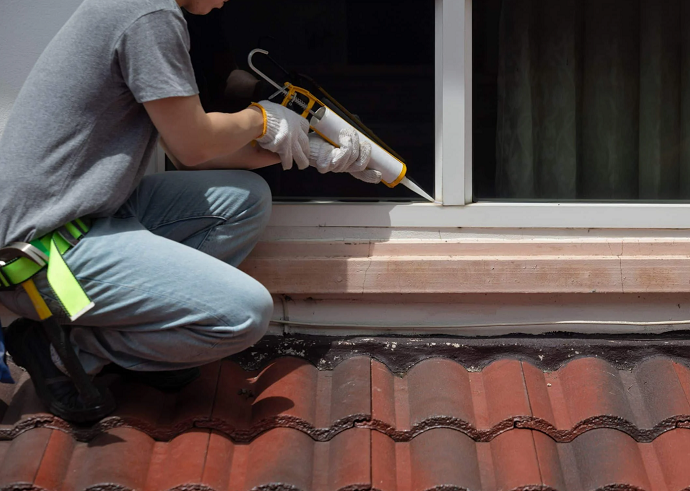
Benefits of Caulking
What’s the point of caulking? Sealing up those little gaps and cracks around the house might seem like a small job, but it can make a huge difference. A simple caulk application gun can seal gaps around your doors, windows, and plumbing areas. This helps keep moisture out, which means less chance of mould building up or water damage creeping in.
It also helps keep your home energy efficient. When you seal up those pesky drafts, your heating and cooling systems don’t have to work so hard, which can lead to noticeable savings on your power bill. And let’s not forget the bonus of blocking off tiny entry points, which means bugs and pests are less likely to sneak inside.