Are you wondering what you can do to make your chickens feel at home? The answer is simpler than it seems. Beyond food and water, their space makes all the difference. When you give them room to move, fresh air, and plenty of light, you’re giving them a home where they stay calm, healthy, and, in turn, lay better eggs.
Understanding Chicken Enclosures
When you’re raising chickens, apart from food and water, their housing plays a huge role in keeping them healthy, happy, and productive. At the end of the day, they are living creatures, too, so when you give them the right space, air, and light, you’re giving them the living conditions they deserve. If you’re doing things right, you’ll notice calmer birds and better egg production.
About Overcrowding
Overcrowding chickens leads to stress and even pecking fights. Setting up spacious enclosures for chickens is the only effective way to house a larger flock, giving them room to move, forage, and stretch their wings. Aim for enough space so each bird can move naturally without bumping into the others.
Coop vs Enclosure
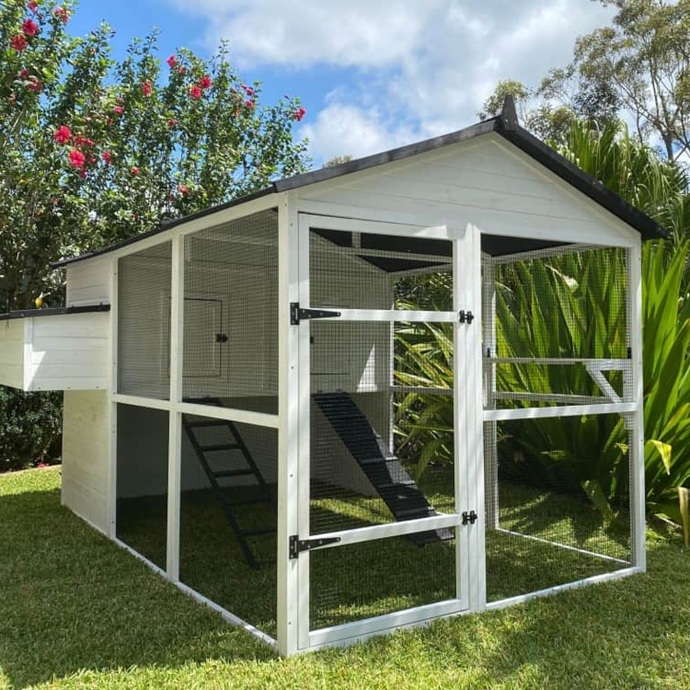
Chicken coops and enclosures are not the same thing. A chicken coop is a sheltered house where hens sleep, lay eggs, and stay safe from predators. It includes nesting boxes and roosts for comfort.
A chicken enclosure or run is a fenced outdoor space where chickens scratch, forage, and connect with nature. Think of the coop as their “home” and the run as their “backyard.” Together, they resemble our own living setup, giving chickens both security and the freedom to follow their natural behaviour.
Planning and Local Rules
There are rules and laws for raising chickens, and to avoid trouble, make sure to check zoning laws. Some towns limit flock size, restrict roosters, or require permits. Typically, regulations are standard and not so strict that they interfere with your original plan. Still, it’s wise to check them beforehand to save yourself headaches later.
Design Considerations
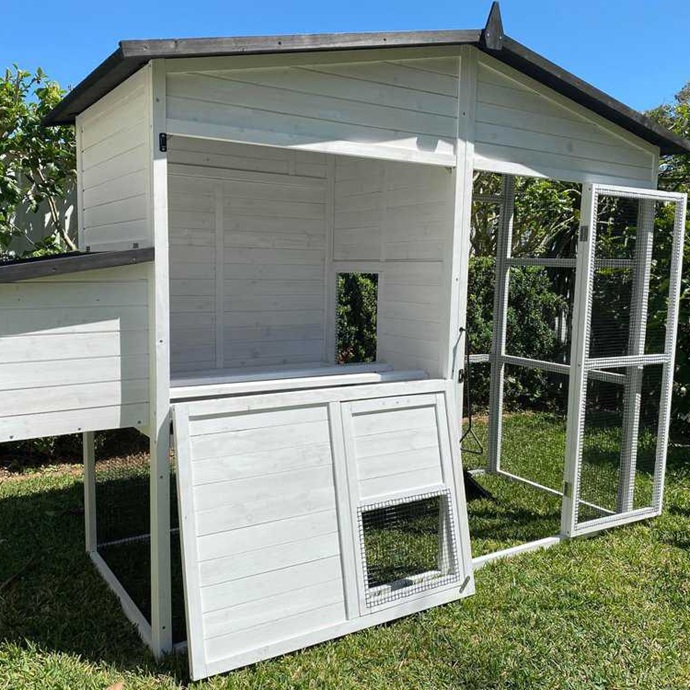
Whether it’s a hen enclosure, a coop, or a hybrid, when building a living space for your flock, aim to make it safe, healthy, and comfortable. When you choose the right spot, you’ll make your job of caring for them much easier and keep your birds thriving. So, it’s safe to say that a well-designed coop saves you time and prevents future problems.
Smart Placement Tips
Placement matters more than you think. Enclosures for chickens should be set up on elevated ground to keep the coop dry and avoid pooling water. The high, well‑drained ground prevents dampness and disease, and good drainage and distance from property lines protect both your chickens and your neighbours.
Also, face your coop south if possible to let sunlight warm and dry the interior. Proper lighting and lighting cycles help regulate feeding and laying patterns, keeping your flock on track. Partial shade is just as important for them, with morning sun and afternoon shade to balance temperatures.
Space Requirements
Each standard chicken needs about 0.3 m² of indoor space and 0.8 to 0.9 m² of outdoor area to stay comfortable and healthy. Bantams require slightly less, but crowding always leads to stress and health issues. Giving them room to move keeps your flock calm and productive.
Materials and Durability
A sturdy chook enclosure built from quality materials saves you money and effort in the long run. It’s best to use strong lumber like cedar or pine for the frame and roof and add asphalt shingles or metal for weather protection. Wire mesh or hardware cloth keeps predators out while letting air flow.
If you don’t get a pre-made enclosure and want to build one on your own, you’ll need a few basic tools: a saw, drill, hammer, level, and tape measure. Choose easy-to-clean surfaces and doors that allow easy access.
Ventilation and Insulation
Fresh air is non-negotiable, so add vents or windows for cross‑flow. Poor ventilation can cause respiratory issues and even help spread disease quickly. Insulation helps in extreme climates, but don’t mount it in a way that blocks airflow. Chickens handle cold better than dampness, so focus on keeping the coop dry.
Predator Protection
Bury the fencing at least 30cm deep to stop digging predators. Cover runs with netting to guard against hawks and owls. Think about adding secure locks and motion‑activated lights. These simple features go a long way in keeping your flock safe and giving you peace of mind.
Maintaining Your Chicken Coop and Enclosure
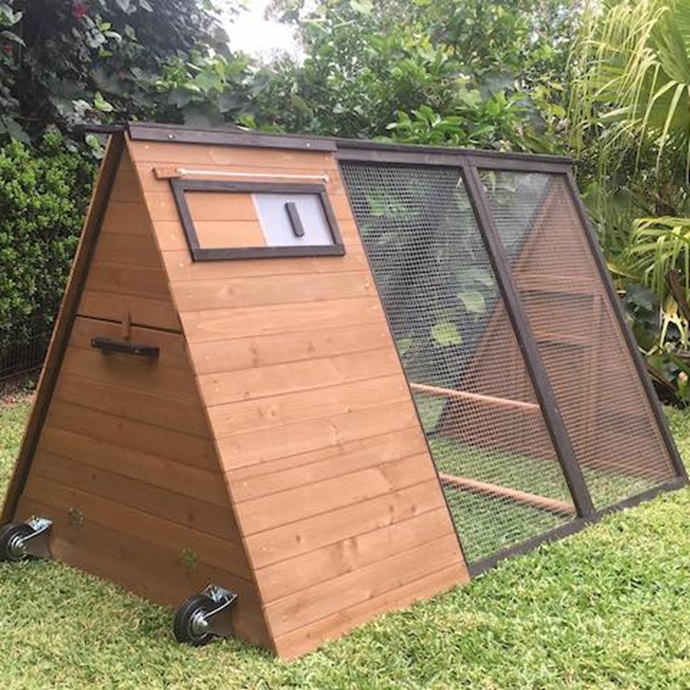
Keeping hen hutches clean is the best way to prevent disease and keep your chickens healthy, so they lay strong, high-quality eggs. Additionally, when the space is fresh, you’ll notice fewer smells, fewer pests, and calmer birds. It doesn’t have to feel overwhelming, as with just a little effort each day, you’ll be able to keep things simple and manageable.
Daily and Weekly Care
Each morning, check the waterers, scrape the poop board if you use one, and take out any damp bedding. Once a week, you can swap out soiled bedding, sweep away droppings, and give feeders and waterers a good scrub.
Cleaning Styles
When it comes to cleaning, you’ve got two main approaches. With the deep‑litter method, you just have to keep adding fresh bedding on top, letting it compost for warmth and less work, which is totally fine. Or you can clear everything out once a week for a fresh reset. Pick whichever style works best for you.
Health and Safety
As for health and safety, it’s important to keep an eye on your flock daily for signs of stress or illness. Wear gloves and a mask when cleaning to protect your health. Staying consistent with upkeep means healthier birds and less worry for you.
At the heart of it, raising chickens is about giving them a safe place where they can live happily. By keeping it clean, they will be calmer, lay better eggs, and you’ll get to experience the simple joy of having a thriving flock.