Weed management in large outdoor areas has shifted significantly over the years, especially in spaces where chemicals are restricted, impractical, or environmentally undesirable. Thermal weed control uses directed flame or high heat to rupture plant cell structures, causing weeds to wilt and die back without the need for herbicides. This method is commonly used across agriculture, landscaping, construction sites, and public maintenance zones where efficiency and reduced chemical exposure matter.
Unlike manual removal, heat-based systems allow operators to cover wide ground quickly while still targeting unwanted growth with precision. The effectiveness depends on correct application rather than prolonged burning, as the goal is cellular disruption rather than incineration. Understanding this distinction is essential when searching for a weed burner Australia-wide for professional use.
Tools of Controlled Heat: Understanding Burner Configurations
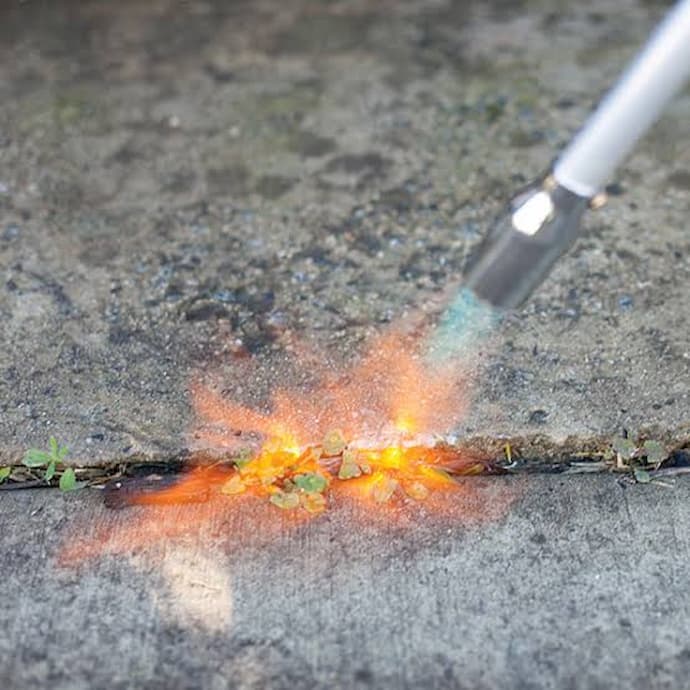
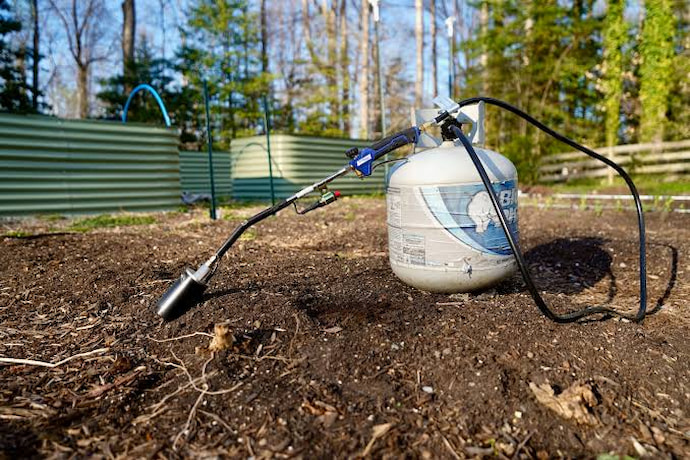
Thermal weed control equipment comes in several configurations designed for different scales of work. Handheld burners are typically used for smaller areas such as pathways, garden edges, and tight access points. These rely on portable fuel canisters and offer manoeuvrability where precision is more important than coverage speed.
Larger LPG-fed systems are better suited to commercial or industrial environments, where extended run time and higher heat output are required. These setups often include longer hoses and ergonomic handles to reduce strain during prolonged use. Dual-head configurations allow for broader surface coverage, enabling operators to treat larger areas in a single pass and improve efficiency on open ground.
Replacement burner heads and modular attachments also play a role in adapting systems for specific tasks. Rather than switching entire units, operators can adjust components depending on surface type or weed density. Across all variations, the principle remains consistent: controlled heat application tailored to environment and workload demands.
Performance Factors That Shape Real-World Efficiency
Choosing the right weed burner in Australia depends on more than just size or fuel type. Operational efficiency is influenced by ignition systems, heat output stability, hose reach, and the ability to maintain consistent flame control under varying conditions. Piezo ignition systems, for instance, reduce manual lighting requirements, improving safety and ease of use.
Fuel compatibility is another critical factor. LPG systems generally provide sustained output for heavy-duty applications, while smaller butane-based tools offer convenience for lighter, intermittent use. Environmental conditions also matter; windy or uneven terrain can affect flame stability and, therefore, treatment consistency.
Ergonomics plays a major role in long-duration tasks. Balanced weight distribution and insulated handles reduce fatigue, allowing operators to maintain accuracy over extended periods. In industrial settings, these details translate directly into productivity gains.
Heat Application and Practical Outcomes in Weed Management
Thermal weed control does not rely on burning plants completely. Instead, brief exposure to high temperatures causes internal cell rupture, interrupting the plant’s ability to retain moisture and carry out normal growth functions. Visible results often appear within hours or days, depending on plant type and environmental conditions.
Some resilient perennial weeds may require repeated applications, as underground root systems can survive initial heat exposure. This is why scheduling and consistency are important in maintenance planning. In many cases, operators treat regrowth cycles rather than expecting permanent removal in a single pass.
These systems are widely used in roadside maintenance, industrial yards, and agricultural boundary management, where precision and reduced chemical reliance are key priorities.
When applied correctly, thermal systems provide a controlled, repeatable method of vegetation suppression that complements broader land management strategies. But do keep in mind that weed burners don’t guarantee permanent removal; they deliver effective, repeatable suppression that often requires ongoing treatment for persistent weeds.
Operational Discipline: Practices That Improve Long-Term Results
Effective use of heat-based weed control equipment depends on consistency, awareness of conditions, and routine maintenance:
- Maintain consistent pass speed to ensure even heat exposure across treated areas
- Inspect fuel connections regularly to prevent leakage and maintain stable performance
- Monitor weather conditions, avoiding high winds that can disrupt flame direction
- Store equipment safely after use to preserve seals, hoses, and ignition systems
- Allow surfaces to cool between treatments when working in sensitive or high-risk zones
These practices support both efficiency and safety, while extending equipment lifespan. Proper handling also reduces fuel waste and ensures predictable treatment outcomes across varying terrain types.
Controlled Heat, Lasting Ground Management
A weed burner torch represents a practical approach to vegetation management where chemical use is limited or undesirable. Its effectiveness relies on correct technique, suitable equipment selection, and an understanding of how heat interacts with plant biology.
Across different working environments, from compact pathways to expansive industrial sites, the flexibility of burner systems allows adaptation to task demands. Equipment choice is therefore about suitability to workload and operating conditions rather than complexity.
When used consistently and with the right operational practices, heat-based systems offer a reliable method for maintaining clear ground areas while reducing long-term maintenance demands.