People often think of body oils as pretty bottles filled with nice smells. A pleasant extra. A small luxury that makes a massage slightly nicer. But these silky little potions have a lot more to offer. The purpose of these oils stretches further than fragrance or ambience. They change the entire feel of a massage, support the skin, and help the mind settle into calm.
A good massage can loosen stiff muscles and ease tension. Add the right oil and the effect becomes smoother, richer, and far more nurturing. If the hands are the tools, the oil is the secret ingredient that helps everything glide into place.
What Exactly Are Massage Oils?
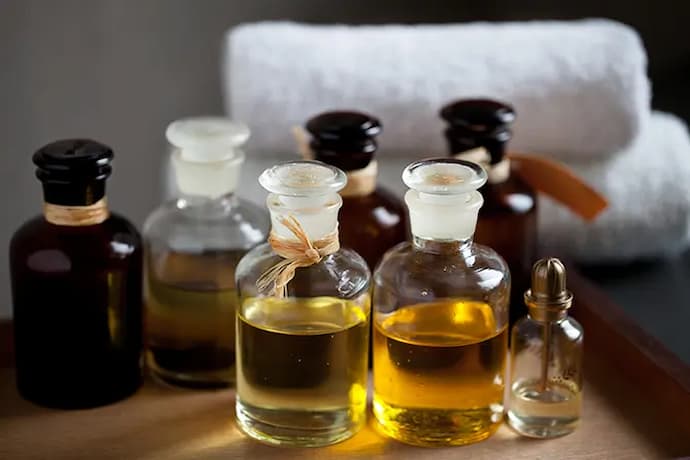
In short, pleasantly-smelling and relaxing massage oils are blended to support both the body and the massage technique itself. They usually contain two categories of ingredients:
- Carrier oils: These are the base oils. They come from nuts, seeds, and fruit kernels. Sweet almond oil, grapeseed oil, apricot kernel oil, jojoba oil, and coconut oil are some of the most popular. They make the skin feel soft and give the hands something smooth to work with.
- Essential oils: These are concentrated plant extracts. They can help with relaxation, mental clarity, mood, or energy. Essential oils are never used alone on the skin. They’re potent, so they’re always diluted into carrier oils.
Together, these oils create a tailored blend. Some blends feel rich and indulgent. Others feel light and absorb quickly. This combination affects how the massage feels and what benefits the skin receives.
Why Body Massage Oil Matters More Than You Think
The purpose of massage oils isn’t simply to smell nice. Their real magic comes through in several ways. Once you understand what they do, the whole practice feels more intentional and far more enjoyable.
Relaxation Becomes Deeper and Easier
Scent has a direct line to the emotional part of the brain. This means the right aroma can instantly shift the mood. Lavender, chamomile, and frankincense are well-known relaxing oils. Citrus oils can lift the spirit. Floral oils add comfort and warmth.
A soft aroma floating through the room helps the body recognise it’s time to slow down. Muscles begin to loosen on their own. The mind stops racing so much. Even the air feels calmer.
Muscles Respond More Gently to Touch
Without oil, hands drag across the skin. The movement can feel sharp or jarring. Oil reduces friction, so the massage becomes smooth and continuous. This encourages tense muscles to release gradually. It also helps the person receiving the massage ease into the sensation instead of bracing against it.
Oils like eucalyptus, peppermint, and rosemary create a cooling, refreshing feeling. People use them to help revive tired legs, soothe the neck after a long day at a desk, or settle muscles after exercise.
Skin Gets a Nourishing Boost
Many carrier oils contain healthy fatty acids, vitamins, and antioxidants. When massaged into the skin, they help lock in moisture and support the skin’s natural barrier. This makes the skin feel softer, healthier, and a little more radiant.
Different carrier oils offer different advantages:
- Sweet almond oil: rich, softening, and gentle
- Grapeseed oil: lightweight and great for quick absorption
- Jojoba oil: closest to the skin’s natural oils
- Apricot kernel oil: soothing, especially for delicate skin
- Coconut oil: creamy and comforting
The more regularly the skin comes into contact with these oils, the more it benefits.
The Massage Itself Becomes More Enjoyable
A smooth surface lets the hands move in long, flowing strokes. It also makes techniques like kneading, circular pressure, and gentle stretching far more effective.
The oil enhances the entire experience. It supports relaxation, comfort, and flow. Everything feels more cohesive and more intentional.
Choosing the Right Massage Oil
Some oils shine in certain situations more than others, so it’s worth giving your choice a little thought. A handful of easy tips can help you decide.
Think About the Skin
Skin varies a lot from person to person. Some people need richer oils. Others prefer a lightweight feel.
A helpful starting point:
- Sweet almond, coconut, or avocado oil is great for dry skin
- Grapeseed or jojoba is a great option for sensitive skin
- Rosehip or apricot kernel oil supports elasticity in mature skin
Think About the Purpose
A relaxing evening at home may call for lavender or chamomile. A pre-exercise warm-up might suit citrus oils. A soothing shoulder rub could use peppermint or rosemary. Matching the oil to the goal gives the massage a clear direction.
Think About Texture
Some oils feel plush and rich. Others absorb quickly and leave very little residue. People often have preferences here, so it’s worth experimenting.
Using Oils Safely and Effectively
Safety plays a simple but essential role. A few small habits keep the experience pleasant:
- Do a patch test when trying a new body massage oil, especially if you have sensitive skin.
- Avoid sensitive areas, particularly near the eyes.
- Dilute essential oils properly, usually a few drops per tablespoon of carrier oil.
- Store oils carefully in a cool, dark place to keep them fresh.
Oils for massaging bring warmth, softness, and intention into every touch. They soothe the muscles, settle the mind, and give the skin a well-deserved treat. They also turn a basic massage into something meaningful. A moment of care. A small ritual. A chance to slow down and restore balance.
Understanding their purpose helps you choose blends that actually meet your needs. It also adds a bit of excitement to the process. Once you learn the feel, fragrance, and benefits of each oil, the whole practice becomes more personal.