Yarn has a superpower: it makes otherwise sensible people buy seventeen skeins of a colour they have no plan for, simply because it was on sale and felt like a cloud. If that sounds familiar, welcome – you’re among friends. But when it comes to actually matching yarn to a project, a little knowledge goes a long way. Consider this your cheat sheet for making smart yarn choices, so your finished project looks intentional rather than optimistic.
What Are the Different Types of Yarn?
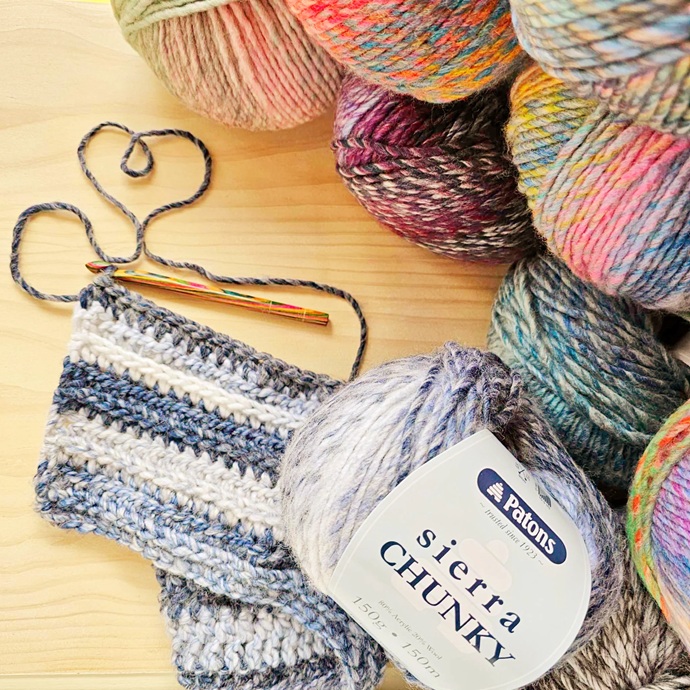
The fibre type of your yarn will influence many of the decisions you make throughout your project. Every fibre – natural like wool, cotton, alpaca, silk and man-made like acrylic, nylon, polyester – behaves differently and has its unique qualities.
There is a reason wool has been the preferred option since ancient times: it is warm, elastic and forgiving of uneven tension (a lifesaver for beginners). Cotton is a soft, breathable fabric, perfect for projects like summer tops and baby clothes. Acrylic is durable, affordable and comes in any colour imaginable.
And then you have all the different fibre blends, such as wool-acrylic or cotton-acrylic, bringing the benefits of different yarn types. But if you start feeling like you need a PhD in textile science, turn to a trusted name like Patons Yarns and pick something from their range.
Yarn Weight: Size Truly Makes a Difference
Have you ever ordered ‘enough’ yarn weight only to find out mid-project that the chunky sweater you’re working on will be one sleeve short? Yarn weight tells you how thick the strand is, not how heavy the skein is. It can make a huge difference in how your finished project looks, feels, and how long it takes to make. Yarn weights are usually classified from lightest to heaviest:
- 2 Ply (Lace): delicate, perfect for shawls, lacy wraps, and heirloom-style pieces
- 4 Ply (Fingering): fine but strong, best for socks, lightweight tops, and baby garments
- 8 Ply (Double Knit): versatile and easy to handle, medium yarn, ideal for jumpers, cardigans, and accessories
- 10 Ply (Aran) & 12 Ply (Chunky): thicker and faster to knit, ideal for cosy jumpers, blankets, and scarves when you want results before the season changes
- 14 Ply & Super Chunky: bulky and bold, perfect for statement blankets and quick weekend makes
Remember to check your pattern for the recommended yarn weight. Using a bulky yarn in place of a fingering yarn may be fun, but that “fitted cardigan” will end up fitting a teddy bear.
Variegated and Self-Patterning: The Showoffs of the Yarn Lineup
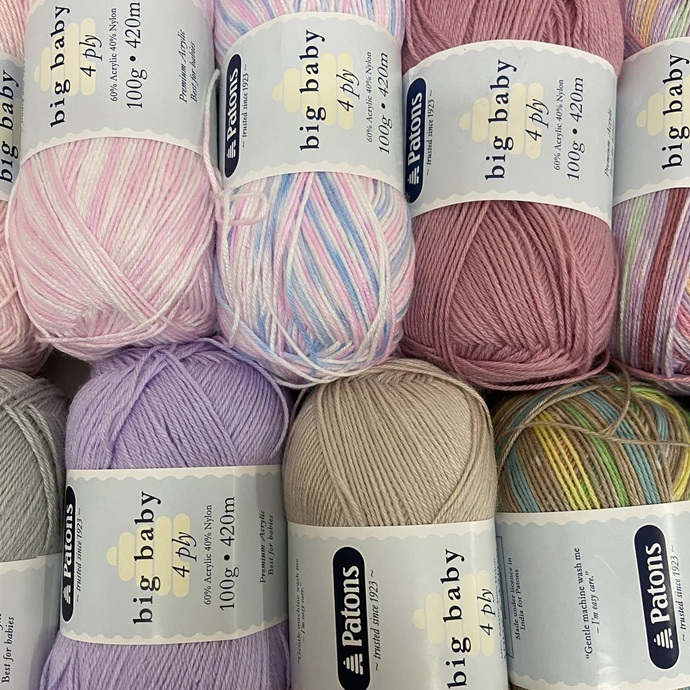
Variegated yarns transition through various colours in a single skein; some do so smoothly, others with a wild abandon. They are lovely, but can sometimes compete with the pattern of your choice, so they work best in straightforward stockinette or garter stitch patterns where the yarn will steal the show.
Self-patterning yarns are designed to give you stripes, geometrical patterns, or even small figures (yes, even little hearts and stars) without any colourwork knowledge on your part. They are incredibly rewarding and make you look like an expert knitter or crocheter, even if you’re still a beginner.
There are some really pretty examples of both kinds from Patons Yarns Australia in the sock and baby lines. Just don’t forget one very important thing: pool your yarn first and check colour repeat lengths before committing to a project!
Needles and Hook Sizes: Mastering the Gauge Game
You chose the right weight and followed the pattern, but ended up with an oversized hat? Did you check the needle or hook size? This is directly connected to the yarn weight: thicker yarn requires larger tools, thinner yarn needs smaller ones.
Usually, the yarn label advises on a needle or hook size, but this is a guide, not a strict rule. Your personal tension (or gauge) is unique to you. If you knit tightly, you may need to go up a size; if you’re a loose-handed crocheter, you might need to drop down.
Always swatch! Yes, always! Just spend 15 minutes knitting or crocheting a sample and checking the number of stitches per 10 cm. Treat this process as your little meditative ritual rather than a burden.
Some Extra Tips to Keep You Sane
Look at the dye lot. Dye lots can vary in shade. Buy enough of the same dye lot for your whole project. It’s always better to have a bit extra than run out and find that shade discontinued. (It’s a pain experienced by every knitter.)
Read the ball band. All those words written on that little label on your skein contain information such as fibre content, weight, yardage, washing instructions, and needle size. Patons Yarns provides complete information on their ball bands.
Match the yarn to the job, not the job to the yarn. Are you making something for a baby? Choose a soft, easily washable yarn that doesn’t irritate delicate skin. Knitting a shawl? Go for a drapey, fluid Patons yarn. Blankets and anything destined for daily abuse require a hardy, low-maintenance yarn.
Last but not least, think about metres, not just balls. Just because two yarns are 100g balls does not mean they have the same length.
Final Thoughts
None of this implies that the cloud-soft impulse buy was a mistake; every stash needs a few skeins bought purely on vibes. But from now on, you’ll know exactly what to do next time when making such a purchase: check the fibre, pay attention to the weight, give it a spin, read the label, and then determine what it is meant to become.