You spend roughly a third of your life in bed, yet many people put more thought into buying a new sofa than choosing a mattress. The truth is, the right mattress can influence everything from how well you sleep to how you feel when you wake up each morning.
If you’re shopping for a new bed, it’s easy to get overwhelmed by the sheer number of options available. One mattress promises cloud-like comfort, another claims superior support, and before long, you’re left wondering which features actually matter.
Comfort, support, materials, and durability all play a role in finding the right mattress, and a single bed mattress often proves to be a practical choice for children, teenagers, guest rooms, students, and adults working with smaller spaces. But if you’re buying one for the first time, how do you know how to choose?
What Is a Single Bed Mattress?
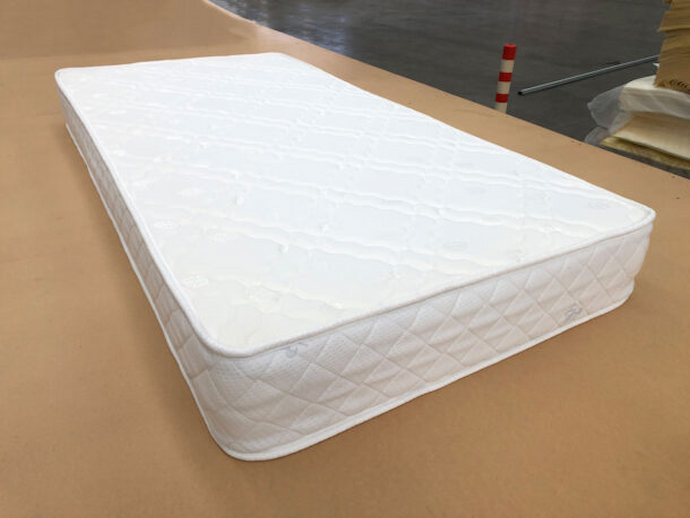
A single bed mattress is one of the most compact standard mattress sizes. It usually measures around 92 cm wide and 188 cm long, giving you enough space for one person without taking over the whole room.
You’ll usually see this size in:
- Kids’ bedrooms
- Smaller apartments or shared housing
- Guest rooms
- Student accommodation
You’re not sacrificing comfort by going smaller. You’re just choosing a size that fits your space and your needs more efficiently.
Key Features You Should Pay Attention To
When you shop for a single mattress, it’s easy to get pulled in by fancy descriptions. Instead, focus on how each feature actually affects how you sleep.
Mattress type
The type of mattress you choose changes the way it feels every night:
- Memory foam hugs your body and eases pressure on joints.
- Pocket springs give you more bounce and airflow, with a traditional feel.
- Hybrid designs mix foam and springs so you get cushioning and support together.
- Latex feels responsive and stays naturally cool and durable over time.
Think about how you like to feel when you lie down. Do you want to sink in slightly or feel more lifted?
Support and construction
The inside of the mattress matters just as much as the surface you lie on.
A single mattress with good structure will support your body evenly and help you stay aligned through the night. You’ll want to pay attention to:
- Comfort layers that shape to your body
- A strong support core that stops sagging
- Edge support so you can use the full surface without rolling inwards
When these layers work well together, you notice fewer pressure points and more consistent comfort.
Firmness level
Firmness is where personal preference really kicks in.
- Soft feels plush and cushioned, great if you like a “sink-in” feel.
- Medium gives you balance and tends to feel comfortable for most sleepers.
- Firm offers strong support and keeps your body more lifted.
If you’re unsure, medium often gives you the safest starting point.
Sleeping position
The way you sleep should guide your choice more than anything else.
- Side sleeping usually needs more cushioning around the shoulders and hips.
- Back sleeping works well with balanced support that keeps your spine straight.
- Stomach sleeping often feels better on a firmer surface that stops your hips sinking too much.
A good single bed mattress should support your natural position instead of forcing your body to adjust to it.
Choosing Based on Who Will Use the Mattress
You’ll get a better result when you think about who’s actually sleeping on it day to day.
For children
You want something supportive and durable. Kids move a lot in their sleep, so a stable surface helps keep them comfortable as they grow. Easy-clean covers can make life easier, too.
For teenagers
Teenagers grow fast and spend more time in bed than you might think. A mattress that holds its shape and supports changing bodies helps avoid discomfort over time.
For adults
If you’re using a smaller room, you’re likely trying to balance comfort with space. You’ll want something supportive enough for regular use without feeling cramped.
For students or shared living
Here, practicality matters most. You’ll want something that’s:
- Easy to maintain
- Comfortable for different sleep habits
- Built to handle frequent use
A reliable single mattress works well in these situations because it stays simple but comfortable.
Common Mistakes You’ll Want to Avoid
It’s easy to rush a mattress purchase, especially when everything starts looking the same online.
One of the biggest mistakes is focusing only on price. A cheaper option might seem appealing now, but it can lose comfort faster than you expect.
Another mistake is ignoring firmness. A mattress that feels fine when you lie on it for a minute can feel completely different after a full night’s sleep.
You’ll also want to avoid overlooking construction. The internal layers decide how long your mattress stays supportive.
Finally, people often forget about room space. Even a compact mattress can feel overwhelming in a small room if you don’t plan the layout properly.
Signs It’s Time to Replace Your Mattress
Even a good mattress won’t last forever. Over time, it slowly loses its shape and support.
You’ll probably notice it’s time for a change when:
- You wake up feeling stiff or sore
- The surface starts dipping or feeling uneven
- You struggle to get comfortable at night
- Your sleep feels lighter or more restless than usual
A worn-out mattress doesn’t always look dramatic, but your body usually notices it before your eyes do.
If your single bed mattress no longer supports you properly, upgrading can make a bigger difference to your sleep than you might expect.
Conclusion
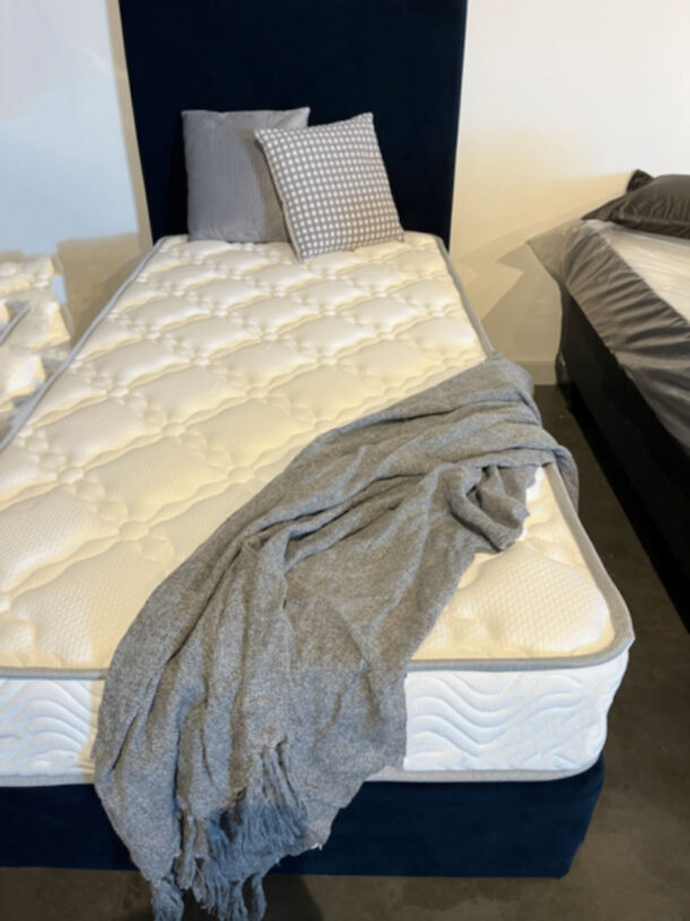
When you strip it back, choosing a mattress comes down to a few key things: how you sleep, how much space you have, and how much support your body needs.
A well-chosen single mattress can feel surprisingly comfortable and practical, especially when you match it to the right materials and firmness. A thoughtfully selected single bed mattress also helps you make the most of smaller spaces without sacrificing sleep quality.
If you focus on comfort, structure, and how you actually use the bed each night, you’ll end up with something that supports you properly.