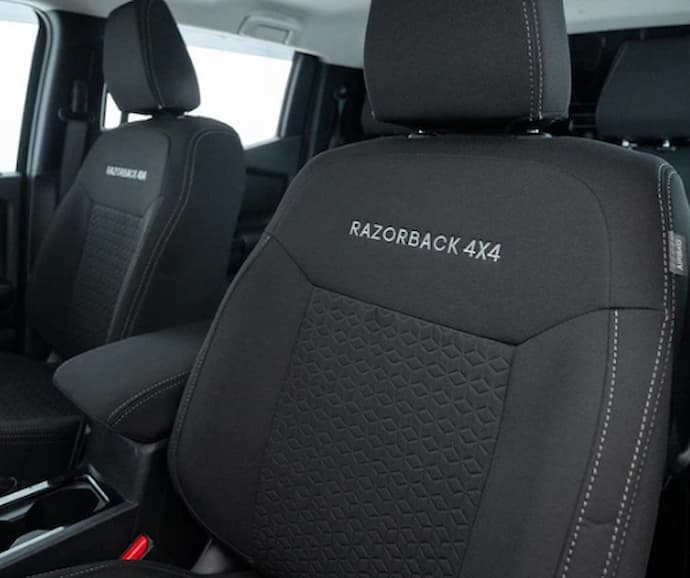
Aftermarket accessories have become a natural part of ute ownership, since they let you tailor a vehicle to the way you actually use it rather than settling for whatever came off the factory line. Bull bars, canopies and tonneau covers all serve a purpose beyond looks, and they typically pay for themselves by protecting the parts of the ute that see the most wear. Seat covers sit firmly in this category, as they’re one of the simplest upgrades you can make while still delivering a genuine, everyday benefit behind the wheel.
Types of Seat Covers
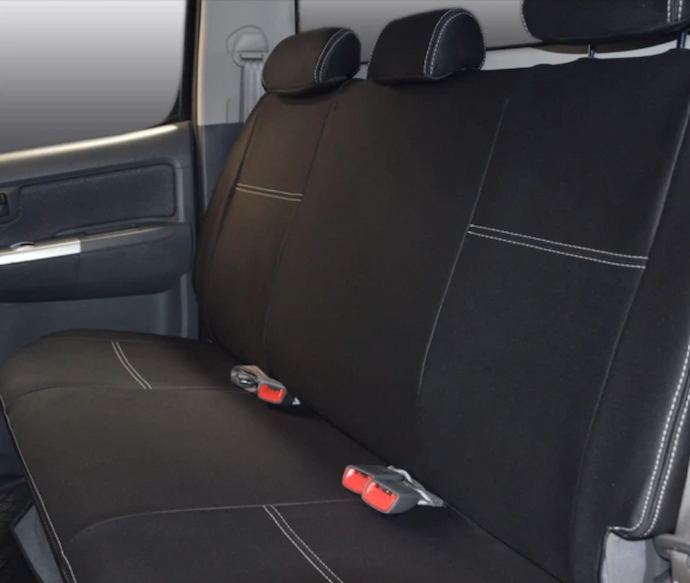
There are different types of Toyota Hilux seat covers, depending on which material they’re made of. Here are all the options:
Canvas
Canvas is one of the most common choices for anyone using their Hilux for work, since it’s a heavy-duty fabric that shrugs off dirt, dust and general rough treatment. Canvas seat covers are woven tightly enough to resist tearing from tools or work gear, and they hold up well against constant friction from getting in and out of the cabin.
Neoprene
Neoprene is the same material used in wetsuits, so it’s no surprise that it handles moisture especially well. Anyone who spends time near water, whether that’s fishing, boating, or just working in wet weather, will find that neoprene Hilux car seat covers are able to help keep dampness and sweat from soaking into the factory seat foam.
Leather
Leather brings a more premium feel to the cabin, and it’s typically chosen by owners who want their Hilux to look a bit more upmarket without sacrificing durability. It wipes clean easily, though it can get quite hot in direct sun, so it suits a shaded carport more than a vehicle parked outside all day.
Denim
Denim Hilux seat covers offer a rugged, casual look that pairs well with a Hilux used for outdoor lifestyle activities rather than heavy-duty work. The fabric is hardwearing and holds its shape reasonably well, though it doesn’t quite match canvas for sheer toughness against grease or debris.
Mesh
Mesh seat covers are all about airflow, and they’re a popular choice in hotter climates where hot vinyl or leather seats become uncomfortable fast. The open weave lets air move through rather than trapping heat, which helps keep the driver more comfortable on longer trips.
Velour
Velour has a soft, plush texture that brings a bit of old-school comfort back into a modern cabin. Older cars may not have had advanced tech like head-up displays and turn-by-turn navigation, but they did have velour seats, and that nostalgic feel is exactly why the material still has a following today. It’s gentle against the skin and doesn’t get anywhere near as hot as leather or vinyl.
Jacquard
Jacquard is a woven fabric with a distinct pattern built into the material itself, rather than printed on top, which gives it a more refined appearance than a plain fabric cover. Owners after a bit more style without going all the way to leather often land on jacquard as the compromise.
Saddle Blanket
Saddle blanket covers borrow their thick, woven look from traditional horse blankets, adding a distinctive, rugged style to the cabin. They’re quite heavy and dense, which helps them handle abrasion well while also adding a layer of cushioning over the factory seat.
Acrylic Fur
Acrylic fur covers add a soft, plush layer over the seat and are mostly chosen for comfort on longer drives rather than outright durability. They can help with temperature regulation too, since the fur traps a bit of warmth in cooler months while still being breathable enough for milder weather.
Sheepskin
Sheepskin is about as comfortable as seat covers get, and it naturally adjusts to both hot and cold conditions rather than staying uncomfortably warm or cold as some synthetic materials can. Genuine sheepskin does need a bit more care to maintain, but the comfort it offers is hard to match with anything else on this list.
Benefits of Seat Covers
Affordable
Seat covers are one of the more budget-friendly upgrades available for a Hilux, especially when compared with the cost of reupholstering or replacing damaged factory seats. They let owners protect an expensive interior investment for a fraction of what repairs would eventually cost.
Durable
A well-made set of covers is built to handle daily wear far better than the factory upholstery underneath, which is especially useful for anyone using their ute for work. Materials like canvas and neoprene are chosen specifically because they hold up against constant friction, dirt and moisture, and this durability helps extend the life of the seats significantly.
Versatile
With so many materials and styles available, Hilux seat covers can be matched to almost any use case, whether that’s a tradie needing tough canvas or a family after something soft and easy to clean. This versatility means owners aren’t locked into a single look, as Hilux car seat covers can be swapped out entirely if the vehicle’s use changes down the line.
Comfortable
Comfort plays a bigger role than most people expect, particularly on longer drives or during hot Australian summers when factory seating can become genuinely unpleasant. Breathable materials like mesh or the natural properties of sheepskin help regulate temperature, while padded options like acrylic fur add a bit of extra cushioning. This is why Toyota Hilux seat covers are often chosen with comfort as the deciding factor between materials.