Camping is a great way to create lifelong memories. If you’d like to step away from your routine and spend some quality time with your family, camping can be the perfect bonding activity for you and your loved ones.
For young children in particular, the importance of spending time in nature can’t be overstated. Telling stories around the fire, roasting marshmallows, and chasing fireflies may sound like simple activities, but they can make a meaningful difference in your children’s development.
If you’re ready to take your kids on a new adventure, it’s important to ensure they stay safe, warm, and comfortable throughout the trip. Parents looking to create unforgettable memories with their children should understand the importance of choosing a comfortable sleeping bag for kids to give them the best chance at an enjoyable experience from start to finish.
Why Your Child Needs a Special Sleeping Bag
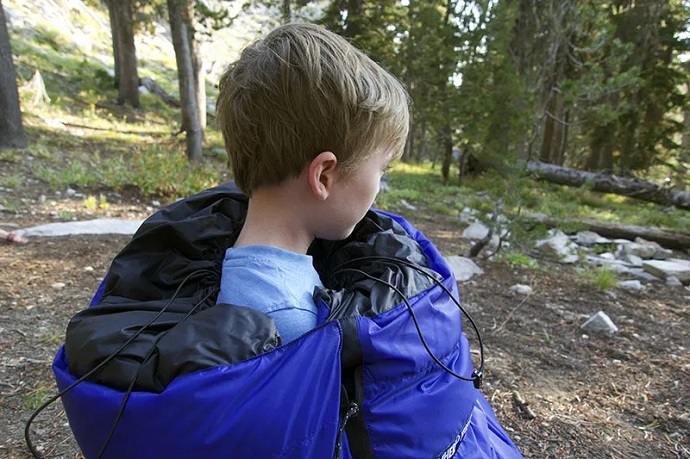
Children are much smaller than adults, so their sleeping needs can be different too. While a standard sleeping bag may work well for adults, children can benefit from sleeping bags made with their smaller size in mind. The right sleeping bag can provide a comfortable fit and help keep them warm throughout the night.
Provides Warmth and Temperature Control
Children’s bodies don’t regulate heat as efficiently as adults’, which means they can feel cold and uncomfortable when they aren’t dressed properly, especially when spending time outdoors. Kids’ sleeping bags are smaller to ensure that the space between the inside of the bag and the child’s body isn’t too large, helping to prevent body heat from escaping. With less space, their body heat can warm the sleeping bag more efficiently, keeping them comfortable and warm throughout the night. Childrens sleeping bags also typically feature more padding and better insulation to provide additional warmth during colder weather.
Encourages Independence
When your child has their own sleeping bag, they can feel brave and empowered. Sleeping under the stars on their own can help them feel more capable and encourage a greater sense of independence. You can also encourage your child to pack and set up their own sleeping bag, which helps them build confidence and develop practical skills.
Supports Safer Camping
Children’s sleeping bags often come in bright, visible colours. This quality is incredibly useful for easing your worries, as you can keep an eye on your child even in the darkness. These camping bags are also more secure, so your child can’t easily roll out, ensuring a safe, worry-free journey for the whole family.
What to Consider When Buying a Kids Sleeping Bag
Snuggling into a comfy sleeping bag after a day filled with fun and activities is incredibly satisfying for children and adults alike. However, since children have different needs and sizes, there are a few key things to keep in mind before you buy.
Safety Considerations
Although a year or two in age doesn’t make a significant difference in an adult’s behaviour and character, it does in a child. This is exactly what your first consideration should be. Young children under the age of two shouldn’t be sleeping in a camping bag because they haven’t developed adequate motor skills yet, which can lead them to get stuck and potentially suffocate in the bag. Instead, consider bringing a small mattress and enough blankets to keep them safe and prevent them from rolling around.
Children from 3 to 6 years can use specialised mini kids’ sleeping bags, which are often 1.20 m long. This is enough to provide comfort and prevent them from sliding down in their sleep. Children over six can generally use standard sleeping bags designed for kids, as they have more developed motor skills and tend to sleep more independently at night.
Insulation Type
When it comes to sleeping bag insulation, there are generally two types to consider: synthetic and down insulation. Each of these types has its own special qualities, and your selection typically depends on your budget, warmth needs, and preferences.
Synthetic insulation is made from synthetic fibres, most commonly polyester. Its standout quality is its water-resistant nature, which can be particularly useful during rainy seasons. The maintenance of synthetic fibres is also much simpler, as they can be machine-washed and dry quicker than other materials.
Down insulation is ideal if you need a compact bag that compresses and fits in your backpack. These insulation types offer the perfect warmth-to-weight ratio, making these bags ideal for backpacking adventures. Their downside is that they are pretty pricey, difficult to maintain, and lose their insulating properties when wet.
The Most Popular Shapes to Consider
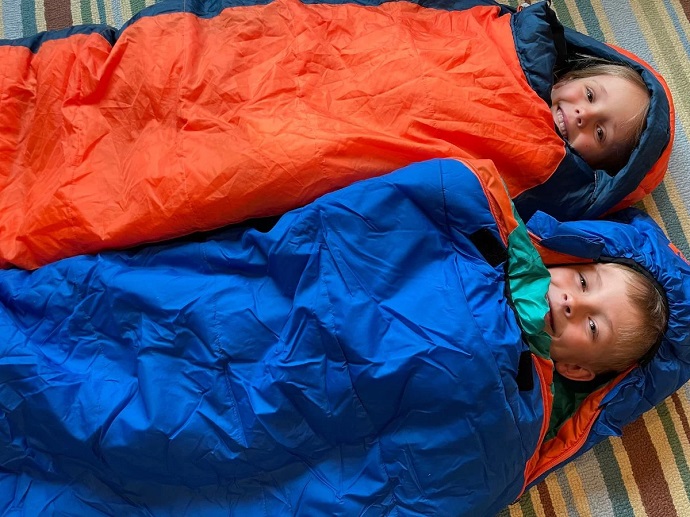
You’d probably be surprised to learn how much a sleeping bag’s shape affects its warmth, safety, and comfort. Understanding the differences between these shapes can help you make the final decision when selecting the perfect sleeping bag to add to your camping essentials.
- Mummy: These sleeping bags are designed to feel snug around your child’s body because of their minimal airspace. They are lightweight and offer superior heat retention, making them suitable for both backpacking and lengthy adventures.
- Rectangular: Unlike mummy bags, rectangular bags offer more space around the body, which makes them more suitable for active sleepers. They are usually less expensive than mummy bags and are perfect for longer adventures.
- Semi-rectangular: If you can’t decide between a mummy bag and a rectangular one, don’t fret. The semi-rectangular bag shape is the perfect mix of both. This bag is more compact than a rectangular bag while offering more room for movement than a mummy bag, making it perfect for parents who want to prioritise both warmth and space.
Closing Thoughts
Camping should be a fun adventure for the whole family, and a good night’s sleep keeps everyone healthy and happy. When buying a sleeping bag for kids, warmth and safety are top priorities. Consider your child’s needs, preferences, and wishes, and let them guide your choice for a successful outdoor trip.