Precise, reliable and affordable are the words that best describe quartz wristwatches. Introduced in the 1960s, these small wrist adornments revolutionised modern watchmaking, replacing mechanical and automatic watches. A quartz wristwatch is one of the most reliable and accurate timepieces, powered by an electric oscillator regulated by a quartz crystal, which plays a huge role in its precision.
While quartz movements are mainly electronic, they also contain physical gears that drive the mechanical hands on the watch dial. Both components work together to help you read the time. Whether you’re unfamiliar with quartz watches or simply curious about how they work, understanding their mechanism can give you a better appreciation of their functionality and design.
How Do They Work?
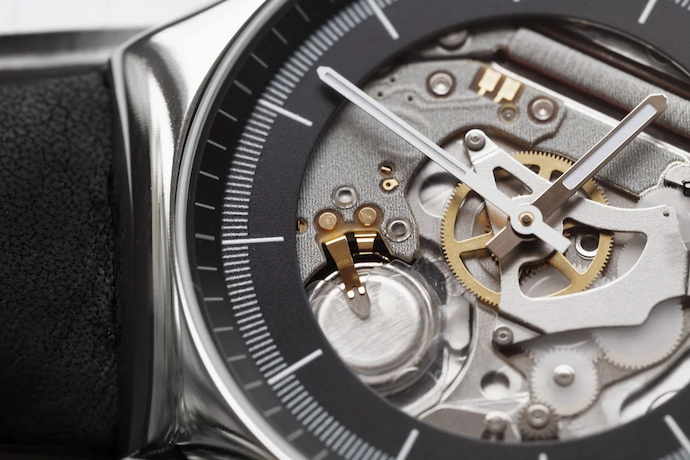
Well, when a quartz crystal is compressed, it generates electricity on its surface. This unique ability makes quartz ideal for timekeeping. When it comes to quartz movement, this crystal loses very little energy when it vibrates, allowing the vibrations to remain at a steady pace, which makes it an accurate timekeeping material. In fact, the battery powers the circuitry, which sends an electrical signal to the crystal, causing it to vibrate at 32,768 times per second. Once vibrating, the integrated circuit counts those vibrations and sends impulses to the stepping motor, and the trimmer regulates the integrated circuit.
The stepping motor, on the other hand, converts those electrical impulses into rotational movement, driving the gear train that moves the hour, minute and second hands to display the time on an analogue dial. One thing is for sure: each of these components plays a crucial role in ensuring the quarts watches work smoothly.
Advantages
Quartz movements offer several benefits that make them a popular choice for different types of watches. From their accuracy and reliability to their affordability and low maintenance, there are plenty of reasons why they’re so widely used.
- Precision: These watches are precise, guaranteeing accurate time measurement. Their consistent timekeeping makes them a reliable choice for everyday use.
- Low Maintenance: Unlike mechanical and automatic watches that require servicing and lubrication from time to time, these watches only need a battery replacement once every few years.
- Reliability: Having fewer moving parts that can wear out makes these watches more resistant to shocks, vibrations and changes in position.
- Versatility: Another great thing about this movement is that it can be used in thinner and lighter cases, making it suitable for more elegant and delicate models, as well as sports watches.
- Affordability: Last but not least, another benefit of these watches is their lower production cost. When combined with their long-lasting performance and the ability to fit into thinner cases, this makes them good value for money.
Watch Case Materials
The watch case plays an important role in protecting the movement from moisture, dust, shocks and other external factors that could cause damage or affect its performance. It also influences the watch’s overall appearance and silhouette, which is why it’s worth paying attention to the material it’s made from. Some of the most commonly used options include stainless steel, gold, rose gold, titanium and ceramic, each with its own look and characteristics.
Stainless Steel

This material is one of the most commonly used materials not only for its appearance but also for its affordability. It’s durable, corrosion-resistant, and stylish. When searching for a stainless steel watch, make sure the option you end up choosing is made from a reliable, high-quality material.
Gold & Rose Gold
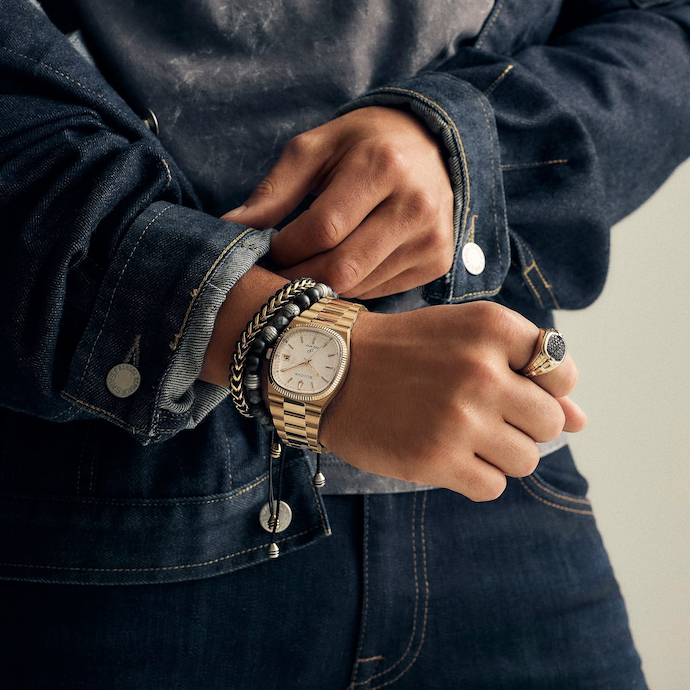
When speaking about luxury and style, gold watches are top of the list. While stainless steel watches have a silver colour and are more subtle, golden watches are more luxurious-looking. Given the fact that they are more eye-catching and distinctive, not everyone is a fan of wearing one. They are designed specifically for those who aren’t afraid to experiment with colours and styles.
Rose gold is a more subtle version of gold, and watches in this colour are quite popular among women. Unlike golden wrist adornments, rose gold seems softer, perfect for complementing different skin tones and outfits. They are certainly more popular than gold because they aren’t that shiny and blingy.
Titanium & Ceramics
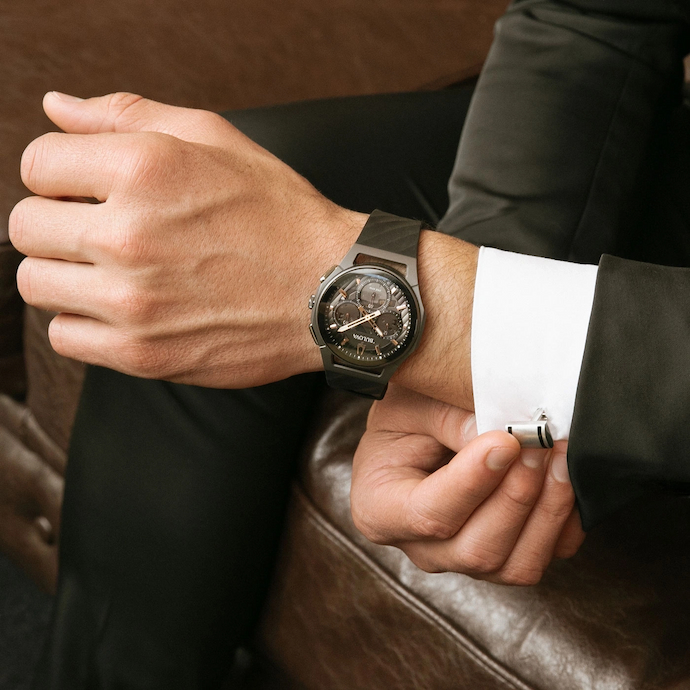
Titanium watches are highly popular for their utilitarian appearance and great engineering features. They are completely different from gold and rose gold watches, and are a great choice for all those seeking premium watches. What makes them special and premium-like is their excellent strength, which is half the weight of stainless steel. Ceramic, on the other hand, is highly scratch-resistant and is a popular material for modern, high-end sports watch designs.
When comparing all these options, stainless steel watches stand out as some of the most popular and versatile options. They’re stylish, practical and functional, making them a great match for business outfits featuring collared shirts and suit pants, as well as more casual combinations with turtleneck blouses, tees, sweaters, chinos and even jeans.