Nourishing your body often comes down to consistent choices in your everyday routine. Even small changes can lead to noticeable results, from exercising regularly to adding more natural ingredients to your daily diet.
Turmeric is one of those ingredients that’s been around for a long time. For many years, it has been of interest to both the scientific and culinary worlds. It’s wondrous to think that such a delicious spice can be of so much medical use, but it’s true.
While most people know it as a spice, it’s now getting more attention in modern nutrition and everyday wellness routines. A lot of this interest comes down to its active compound, curcumin, which is responsible for many of turmeric’s studied properties. This compound is valued for its health benefits and natural origins, so much so that it has become a popular form of supplement.
What Are Curcumin Supplements?
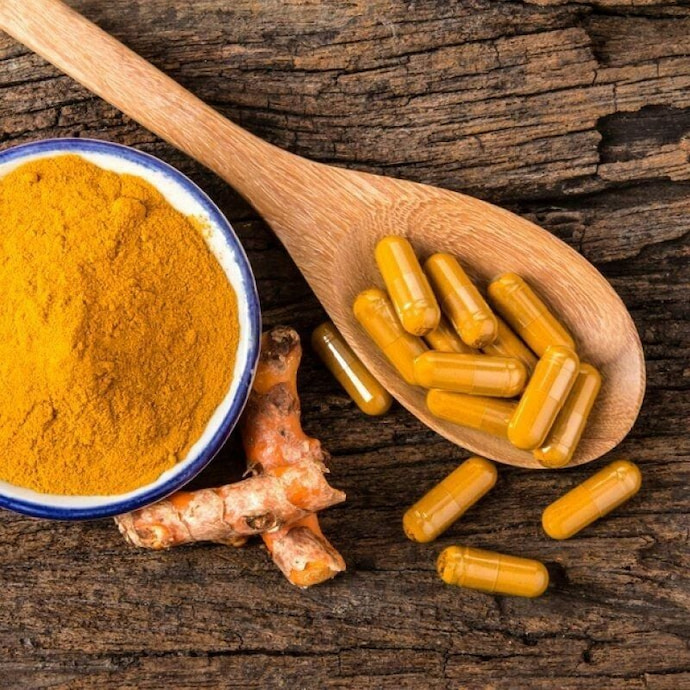
Curcumin supplements are dietary products that provide a concentrated form of curcumin, a compound studied for its potential role in supporting the body’s natural response to inflammation. Because curcumin is full of antioxidants, it can also aid your digestive health and support your overall wellness journey.
Although eating turmeric can also help your health, the reason why so many people choose curcumin supplements in particular is that curcumin on its own isn’t easily absorbed by the body. Because of this, it’s often combined with other ingredients to help improve absorption.
Key Health Benefits
Scientists over the years have concluded that curcumin has several benefits for your body and overall health. Many of these benefits can even make you feel better on a day-to-day basis.
Curcumin is a natural treatment for inflammation. It has many potential uses, but so far it works best for reducing inflammation from rheumatoid arthritis.
This compound can even reduce the signs of aging. The process of aging itself is due to oxidative damage. This happens because molecules called free radicals overwhelm the body’s antioxidant defence, causing damage to skin and tissue in the process. Curcumin is rich in antioxidants, which can neutralise these molecules.
Several studies also suggest that curcumin-based supplements can help reduce the risk of heart disease and even improve your heart’s overall health. Because of these various benefits, these supplements are a useful wellness addition to your diet.
Ways You Can Add Curcumin Supplements Into Your Diet
Taking supplements every day can be tricky, especially when you’re using more than one at the same time. The easiest way to add curcumin-based supplements to your routine is to take them alongside your other supplements. There’s also no strict timing required, so they can be taken at a time that suits your daily schedule.
It can be helpful to take your supplements at the same time each day. You can even pair them with a snack you already enjoy. That way, it just becomes part of your routine, and seeing that snack naturally reminds you to take them without having to think about it.
Because curcumin dissolves in fat and oil, it’s best to take it after a big meal that contains healthy fats to get the most out of it. Lunch or dinner usually works well, as it easily fits into your normal eating routine and goes well with savoury foods.
At the end of the day, it’s also important to look at the bigger picture. Besides adding supplements to your diet, ensure you’re getting enough sleep at night, drinking your water and eating healthy and consistently. After all, supplements are there to support your diet, not replace it.
Curcumin vs Turmeric: What’s the Difference?
Turmeric is a versatile spice that is derived from the root of the Curcuma longa plant. This spice is extremely popular in South Asian cuisine and wellness. For many years now, turmeric has been used not only in cooking, but also to treat skin conditions, digestive issues and certain types of inflammation.
Turmeric itself contains a lot of compounds that are helpful for your body. One of the most abundant compounds in turmeric is curcumin. Curcumin is what gives turmeric its distinct vibrant yellow colour, and on its own, curcumin is a powerful ingredient known for its anti-inflammatory properties.
It’s easy to get these two terms confused, as very often they are mentioned alongside each other. However, although many benefits of turmeric have overlaps with the benefits of curcumin, these compounds have health benefits not attributed to each other.
During numerous health trials, scientists have begun to examine curcumin and turmeric as separate substances in order to determine where their strongest healing properties lie. So far, curcumin has shown particular potential when it comes to reducing inflammation and may even support wound healing due to its antibacterial effects.
Overall, while turmeric is the whole plant-based ingredient used in food and traditional practices, curcumin is its most studied active compound, often isolated for more targeted health support.