If you’ve tried FDM printing and found yourself frustrated by visible layer lines or a lack of fine detail, you might want to try something else – resin. This liquid-based printing material has become the go-to choice for anyone who needs precision, smooth surfaces, and fine detail that filament printing can’t match. Here’s all you need to know about this exciting printing material.
What Is 3D Printing Resin?
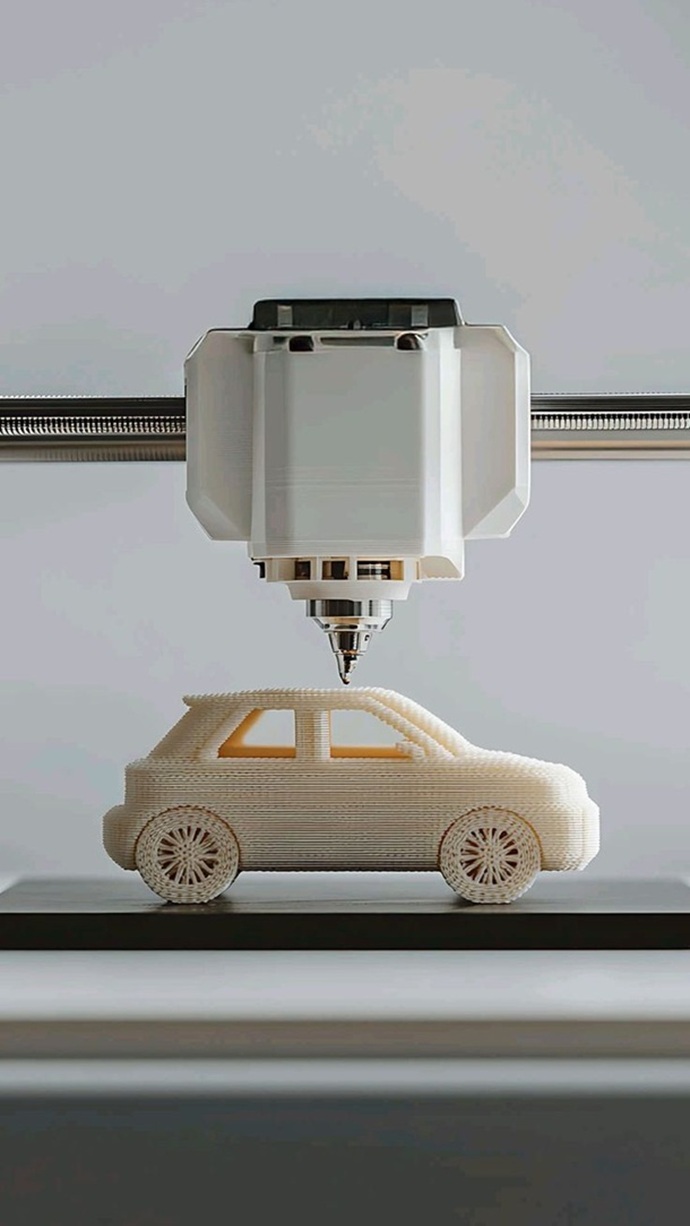
3D printer resin is a photopolymer liquid. This is a special kind of liquid material that changes from its initial viscosity to solid form when it is exposed to certain wavelengths of light. Contrary to filament-based printing technology, where the printer heats the plastic and extrudes it as a layer, here the printer uses light chemistry.
This liquid-to-solid transformation is what gives resin prints their signature smoothness. No layer lines hindering the creation of fine prints, no stringing issues, and no warping problems you might have with some filament prints. That’s why 3D resin is the material of choice for anything where precision matters more than build volume.
How Does It Work?
Resin printing uses technology like SLA (stereolithography), DLP (digital light processing), or LCD/MSLA (masked stereolithography). Despite the different light sources, the principle is identical. A light source sits beneath (or occasionally above) a vat of liquid resin. A build plate slowly lowers into the vat, and the printer projects a cross-section of the 3D model onto the resin’s surface. Wherever that light hits, the resin cures almost instantly. The plate then lifts slightly, fresh resin flows in, and the next layer is cured on top of the last.
In the case of SLA, the printer uses a laser that traces every layer point by point. DLP uses a digital projector that prints the whole layer at once. The most common and affordable option today, LCD/MSLA, shines UV light through an LCD panel that works as a mask, curing the whole layer at once. That is why LCD printers became so popular among consumers – they work faster and are much cheaper than DLP printers.
Once printing finishes, the model isn’t quite done. It needs to be washed, typically in isopropyl alcohol or water (depending on the resin type), to remove excess uncured resin from the surface. Many prints then go through a post-curing stage under a UV lamp to fully harden and stabilise the material.
Types of Resin
Resin isn’t a one-size-fits-all solution. You can find different blends for different applications, including:
- Standard resin is the most common, affordable, and versatile option. It comes in many colours, including both opaque and translucent tints. It is a go-to choice for miniatures, props, and general prototyping projects.
- Water-washable resin can be cleaned with only water, allowing you to skip the isopropyl alcohol post-processing step. It is a popular choice for hobbyists for a less smelly, less chemical-heavy workflow.
- ABS-like (or tough) resin mimics the durability and flexibility of ABS plastic, offering better impact resistance than standard resin. This makes it suitable for functional parts, mechanical components, and anything that needs to survive more than gentle handling.
- Fast-cure resin is made specifically to allow faster curing per layer, reducing printing time while not losing too much in terms of quality – ideal for large batch printing.
- High-accuracy, or “14K,” resin is created for high-resolution LCDs to provide maximum detail in miniatures, jewellery patterns, and complex models.
- Thermal-resistant resin is designed to maintain its shape when heated and is great for making moulds and jigs or parts that need to withstand some heat.
- Dental and medical resins are formulated for extreme precision and biocompatibility, used for dental models, surgical guides, and implants.
- Speciality resins (glow-in-the-dark, eco resin, etc.) are fun options that include glow pigments, plant-based formulations, and even wax resin used for jewellery casting with the lost-wax process.
Applications
The precision and smooth finish of 3D resin make it the material of choice across many industrial applications. Gaming enthusiasts use the material for making highly accurate minis and terrain. Jewellery makers use castable and wax resin masters that allow them to make rings, pendants, and other items. Resin can be used in dentistry to make surgical guides, aligners, and crowns. Engineers and industrial designers use strong or heat-resistant resins for making prototypes, jigs, and fixtures for testing. Film and collectables studios use resin printing to produce highly detailed props and figures that would be difficult to achieve with standard filament.
Tips for Working with Resin
Resin printing requires proper preparation, safety, and post-processing procedures:
- Always work in a well-ventilated environment. Uncured resin releases fumes, and prolonged exposure isn’t pleasant or advisable.
- Use gloves when handling any parts of the machine or printed items. Nitrile gloves are recommended because resin can irritate the skin.
- Shake the bottle before use. Components and pigments tend to settle in the bottle, so shaking it will ensure uniform colour and cure behaviour.
- Clean and post-cure the prints. Most resins require rinsing in IPA or water (depending on the formulation) to remove uncured residues, and a final exposure to UV light to reach full strength.
- Match the resin to the machine and the job. Some resins can be incompatible with printers – make sure the resin is compatible with your printer and matches the purpose of the finished product.
- Keep resin in a dark and cold environment. UV-curing resin degrades if left in direct sunlight or high temperatures.
Resin printing requires more effort than filament printing, but the result is an amazing level of detail and quality that no other desktop printing process can.