Every person deserves a restful night of sleep. Sadly, for some, that is difficult to achieve. There are numerous factors that contribute to restlessness and the inability to fall asleep at night. From conditions like sleep apnea to environmental factors such as humidity and poor air quality, you’d be surprised how common sleep difficulty is today.
Sleep apnea machines are one of the most common treatments for sleep apnea and other obstructive conditions. They keep your airways open at night using highly pressurised air, helping you breathe without difficulty.
For first-time users, using a sleep apnea machine can feel scary and even intimidating. In this guide, we’ll explore the function and purpose of these machines to hopefully dissolve your fears and show you their numerous health benefits.
What Is a Sleep Apnea Machine?
Sleep apnea is a serious sleep condition that affects many people around Australia. Sadly, this chronic condition has no cure, but it’s very possible to treat it. The variety of market-leading sleep apnea machines in Australia provides you with some of the most common and effective form of sleep apnea therapy. Over the past years, they have helped countless people around the world achieve relief and fall asleep much faster.
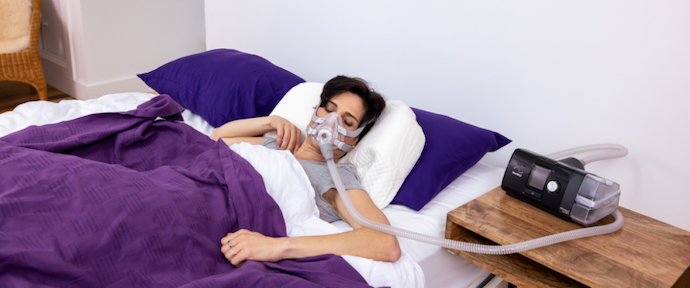
CPAP machines, also known as continuous positive airway pressure machines, help keep your airways open, making it easier for your lungs to receive oxygen. People who have sleep apnea randomly stop breathing during the night, which causes their brain to immediately wake them up before any long-term damage can occur. This prevents them from getting a restful night’s sleep because they are constantly being woken up. Sleep apnea machines deliver pressurised air to your lungs, which prevents your airways from collapsing.
How Does It Work?
A CPAP machine is composed of three main parts: the motor, the tubing and the mask. Some machines also have an air filter attached to the motor that helps clear dust and other particles from the air before delivering it to the lungs.
The motor uses a fan which sucks up air from the room and pressurises it. Some motors have a filter, a water chamber, or both attached to them. The filter helps purify the air from dust and particles, while the water tank adds moisture to the air, so your nose isn’t dry in the morning.
The pressurised air is delivered to the mask via a special tube. This tube is technically a plastic hose that can handle bending and twisting. After the air passes through the hose, it gets delivered to your airways through a special mask. The mask goes on your face. There are various types of masks available.
Some cover your nose, some your mouth, and some even cover both. As you sleep, the lightly pressurised air pushes through any blockages, providing constant airflow. This way your airways don’t collapse, and you get a full, pleasant night of sleep.
Signs You Need a Sleep Apnea Machine
CPAP machine users are much more common than you might think. It’s nothing scary or shameful to need sleep therapy. However, many people struggle to determine if they really need a CPAP machine or if their problems can be solved by using another form of therapy.
If you’ve been told you snore loudly, wake up feeling breathless, or find yourself randomly waking up throughout the night, chances are you’re due for a checkup.
The only way to know for sure if you have sleep apnea or a related sleep issue is to undergo a special supervised sleep study. Sometimes, if the signs are extremely obvious, doctors even skip this step and assign the patient to a sleep apnea treatment immediately.
Some common signs of sleep apnea are:
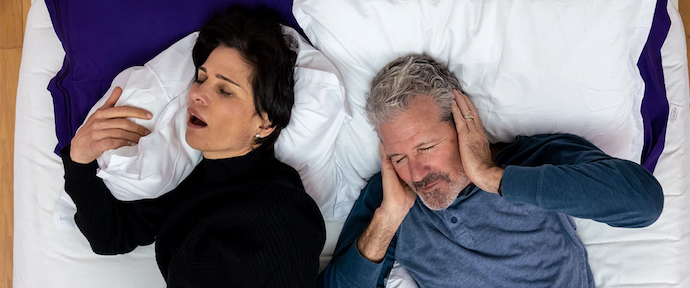
- Loud Snoring: When your throat muscles over-relax, this causes the airways to become narrow, so every time air is forced through the narrow space, the throat violently vibrates, leading to loud snoring.
- Frequent Awakening: When your throat relaxes too much, your airways can’t get enough air to your lungs. This causes lack of oxygen in the body. When your body lacks oxygen, the brain automatically wakes you up as a survival mechanism. Every time you fall back asleep, the same thing happens, making you wake up constantly during the night.
- Morning Drowsiness: Even if you don’t notice these sometimes subtle awakenings during the night, chances are you feel tired when you wake up. If you feel drowsy in the morning, it’s possible you’ve been waking up through the night because of sleep apnea.
- Mood Changes: People who don’t get enough sleep tend to be irritated the following day. If you have noticed sudden changes in your mood recently, it could be related to sleep apnea.
How This Machine Can Improve Daily Life
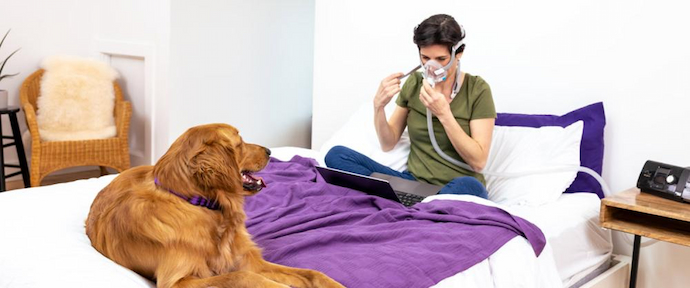
Once you begin sleep apnea treatment, your body will undergo certain changes. These changes can range from subtle to significant. These changes aren’t something to fear. They simply reflect how your body’s recovering and how it’s reacting to the therapy.
Here’s a list of notable of them that happen when you start using a CPAP machine.
1) Improved Alertness
Because your CPAP machine ensures you get a full night of sleep, you’ll be far less tired in the morning. In the first days of using this machine, you’ll notice your concentration improving and your mood changing for the better.
2) Less Depression and Anxiety
Similarly to your concentration, your mood will change for the better. Sleep heavily affects how we feel and react. When you get a good night’s rest, you’ll naturally be happier in the morning.
3) Reduced Risk of Heart Diseases
There is a type of sleep apnea that often occurs in people who have pre-existing heart conditions. Even regular sleep apnea, when left untreated, can cause eventual heart failure. Research has shown that treating sleep apnea can significantly reduce the risk of heart failure and even calm your nervous system.
4) Less Frequent Headaches
Many people who struggle with sleep apnea tend to wake up with headaches in the morning. This is partly due to lack of sleep and partly due to lack of oxygen. When the airflow to your lungs and, inevitably, the brain improves, the number of morning headaches significantly reduces.
Conclusion
In conclusion, many people across Australia struggle with sleep apnea, and if you happen to be one of them, know you’re not alone. Doctors recommend sleep apnea machines in Australia as the most effective treatment for this condition.
The benefits you get from CPAP therapy are incredible, and the best part is you start noticing changes as soon as you start using your machine. Just because a condition is labelled as chronic, it doesn’t mean that you should stop trying to get better, and with sleep apnea therapy, the chances are you’ll feel like a brand new person as soon as the next day!