Few names carry as much weight in the Australian performance scene as Manta, a brand known for building bolt-on parts that suit everything from daily drivers to weekend track cars. Since the exhaust is one of the first areas most owners look at when chasing more power, a good set of Manta parts has become a popular starting point for many builds, especially for utes, hot hatches and turbocharged sedans.
What Matters in a Manta Performance Exhaust
Material
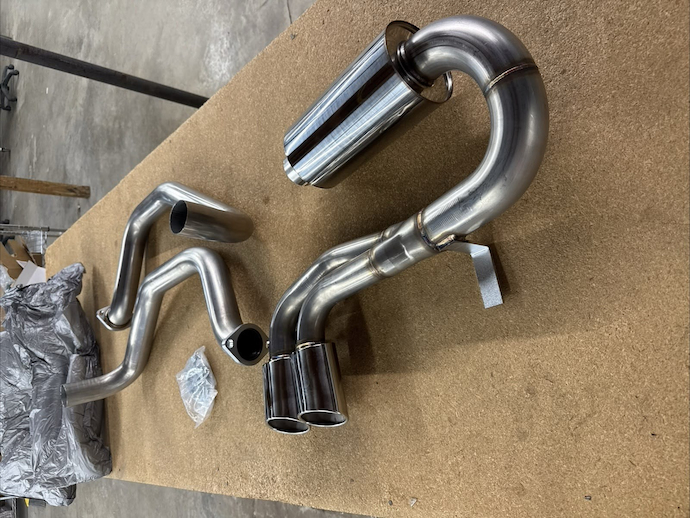
Mild steel is still the most affordable option, while aluminised steel sits in the middle by costing less than stainless and still helping prevent corrosion. A stainless steel Manta performance exhaust is the most optimal solution that can help increase HP and last a long time, as the system resists rust far better than mild steel, which matters quite a lot in coastal areas where salt air eats through cheaper pipes. Titanium is lighter, although the price puts it out of reach for most builds.
Diameter
Pipe diameter is a balance between flow and speed, since a wider pipe moves more gas but can slow it down at low revs. Naturally aspirated engines typically do best with a rather modest increase, while forced induction engines can use a much larger pipe because the turbo already pushes gas out with plenty of force. Going too big is a common mistake, which costs low-end torque and adds drone that gets tiring on long trips.
Configuration
Single and dual layouts are the two main configurations, and the right choice depends on the engine and the space under the car. A single Manta exhaust is simpler, lighter and cheaper, while a dual system splits the flow between two pipes, which suits larger V6 and V8 engines that produce more gas. Unlike a single setup, a dual layout also gives a fuller, deeper tone, as you’d expect from the extra pipework.
Manifold
Each part of your exhaust has a role to play, and the manifold, being first in line, is responsible for handling exhaust gases coming from the engine. Factory manifolds are typically cast in a restrictive shape to keep costs down, while an aftermarket extractor, also called a header, uses separate tubes so each cylinder can clear its gases without fighting the others.
Bends
Mandrel bends keep the pipe the same width right through each corner, which is different from crush bends, where the pipe gets squashed and narrows at the turn. Since a narrowed section restricts flow, mandrel bending is definitely the better choice, especially on a turbo car; fewer smoother bends also help reduce back pressure at higher revs.
Types of Exhaust Upgrades
Header-Back
A header-back system replaces everything from the extractors to the tailpipe, which makes it the most complete upgrade and the one that delivers the biggest gains. Since it covers the path of the gas, the engine gets a smooth route out, although the job takes longer to fit and costs more than a smaller upgrade. Many Manta exhaust systems of this type also use high-flow cats, which help the car stay within local emissions.
Cat-Back
Cat-back systems replace everything behind the catalytic converter, including the mid pipe, muffler and tailpipe, and they’re the most popular choice; they’re easy to fit and leave the factory emissions gear in place. Unlike a header-back setup, a cat-back focuses on sound and modest flow gain, while the car typically stays within noise limits. For a daily driver that sees the odd weekend run, this is the best balance of cost and gain.
Turbo-Back
Turbo-back systems start right at the turbo outlet and run to the tailpipe, so they suit turbocharged cars where the factory downpipe is the main bottleneck. With a larger downpipe, the turbo spools up faster since the gas leaves with less resistance, which helps build boost sooner and keeps temperatures down under hard driving. Since these parts sit close to the turbo, they definitely need quality materials that handle high heat.
The Benefits of Aftermarket Exhausts
Cost
A Manta performance exhaust typically costs far less than engine work like new cams or a bigger turbo, while still giving a noticeable gain in sound and response. Since the parts are bolt-on, labour is low as well, which suits owners who want to upgrade in stages, spending everything at once. Over time, stainless options also help save money, as they last much longer than cheaper steel pipes and rarely need replacing.
Options
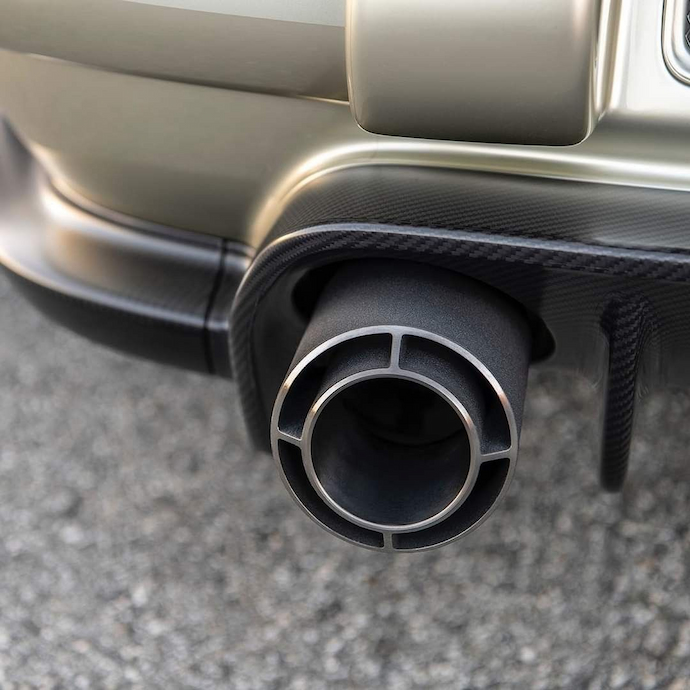
The range of choices is one of the biggest strengths of buying aftermarket, since you can pick the tone, finish and the tip style to suit the car. Quiet, mild and aggressive muffler designs are all available, while tips come in polished, black and burnt finishes, letting you match the look of the rest of the vehicle. Whether you want a Manta exhaust that stays subtle around the neighbourhood or one that stands out at the track, there’s a design to match.
Availability
Parts are easy to find across Australia. Manta sells through a wide network of workshops and online retailers, which means most popular models are in stock and ready to ship. Because the range covers common utes, sedans and hatches, you rarely need to wait on special orders, while local stock also makes warranty claims and fitting advice simpler.