Fly screens allow fresh air to circulate while helping keep insects outside, making them useful additions to windows, doors and enclosed outdoor spaces. However, their effectiveness depends on more than the mesh itself. Proper installation, secure edges and smoothly operating frames all contribute to a screen that performs as intended.
When repairing or replacing a damaged screen, choosing the appropriate hardware and tools can prevent unnecessary work. A loose mesh panel may need to be refitted, while a sliding screen door that sticks or has trouble moving could require attention to its rollers. Identifying the problem first makes it easier to determine which components need replacing and which tools will help complete the job.
Working the Mesh into Place
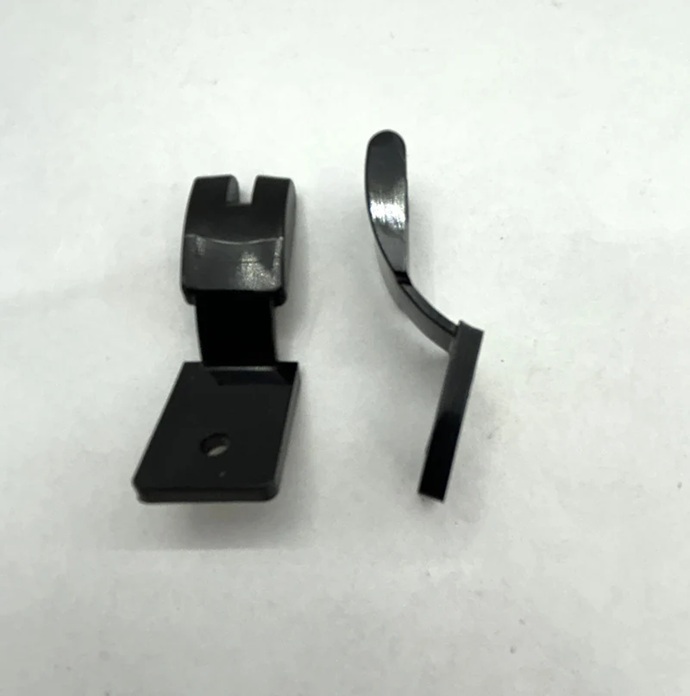
A fly screen roller is a specialised hand tool used to press retaining spline into the narrow groove around a screen frame, securing the mesh in position. Although the name can also refer to the wheel assemblies that help sliding screen doors move, these are different components with distinct purposes.
Adding a durable fly screen roller to your toolkit can speed up screen replacement while protecting delicate mesh from accidental tears. During mesh replacement, the spline holds the material against the frame. The fly screen roller presses this flexible cord into its channel, helping distribute tension across the panel and produce a neat, secure finish.
Without the appropriate tool, pushing the spline into the groove evenly can be difficult, particularly around corners. Spline rollers commonly feature a handle and a small wheel designed to follow the frame’s channel. Some flyscreen rollers have interchangeable heads with concave wheels for pressing spline into the groove and convex wheels for preparing the channel before installation.
Other designs use a fixed wheel for a more straightforward repair task. The distinction matters because a spline installation tool cannot replace a worn door wheel, and a sliding door roller cannot perform the same function as a spline tool. Establishing which component needs attention is the first step towards a successful repair.
The Essential Link Between Mesh and Frame
Different screen repairs call for different approaches. When replacing mesh, the priority is to seat the spline securely without stretching, tearing or distorting the material. A tool with interchangeable roller heads can accommodate different spline sizes and help with both preparation and installation, whereas a simpler design may be sufficient for occasional, uncomplicated repairs.
For aluminium mesh, a convex wheel can help press the material into the frame channel before the retaining spline is fitted. Concave wheels are shaped to guide the spline into place. Some tools also incorporate a squared handle end for working spline into corners where the wheel cannot reach effectively. These features are particularly useful when a repair involves several panels or different mesh configurations.
Sliding screen doors present a separate set of considerations. Their roller assemblies may feature spring-loaded mechanisms, adjustable fittings, bearings or different mounting arrangements. Some designs support top-hung doors, while others sit beneath the door and run along a track. Materials also vary, with metal housings, engineered plastics and different wheel constructions used for different applications.
A door that becomes difficult to slide may have worn wheels, a dirty track, misalignment or another damaged component. Replacing the rollers may restore movement, but only if the underlying problem is correctly identified.
Practical Tips for a Cleaner, More Reliable Repair
- Keep the frame square during mesh installation. Measure both diagonals before beginning; equal measurements indicate that the frame is square. A distorted frame can make it harder to achieve even mesh tension and a consistent finish.
- Work the spline gradually. Begin near a corner and guide the roller along the channel, keeping the mesh evenly tensioned. Excessive pressure can damage delicate mesh, while uneven tension may cause rippling or sagging.
- Use the correct roller head for the task. Select a suitable head for the mesh and spline you’re installing, following the tool manufacturer’s instructions.
- Finish corners carefully. Use an appropriate squared tool end or another suitable installation aid to seat the spline where the wheel cannot reach. Avoid forcing the cord into a tight corner, as this can damage the spline or distort the frame.
- Inspect sliding door tracks before replacing wheels. Remove accumulated dirt and debris, check for visible damage and examine whether the door sits evenly. If replacement is necessary, compare the existing assembly’s mounting arrangement, dimensions and adjustment mechanism before fitting a new component.
Mesh in Place, Edges Neatly Finished
A reliable fly screen repair begins with understanding the difference between securing mesh and restoring a sliding door’s movement. Spline rollers help press the retaining cord into the frame, while door roller assemblies support movement along a track or through a hanging mechanism.
Recognising these distinctions helps narrow down the right tool or replacement component before work begins. Pay attention to the frame design, installation method and condition of the existing fittings. With the right equipment and careful handling, a damaged screen can be repaired neatly, helping to maintain ventilation, insect protection, and convenient access without unnecessarily replacing components.